
The History of Corporate Housing: Why Better Extended Stays Matter More Than Ever
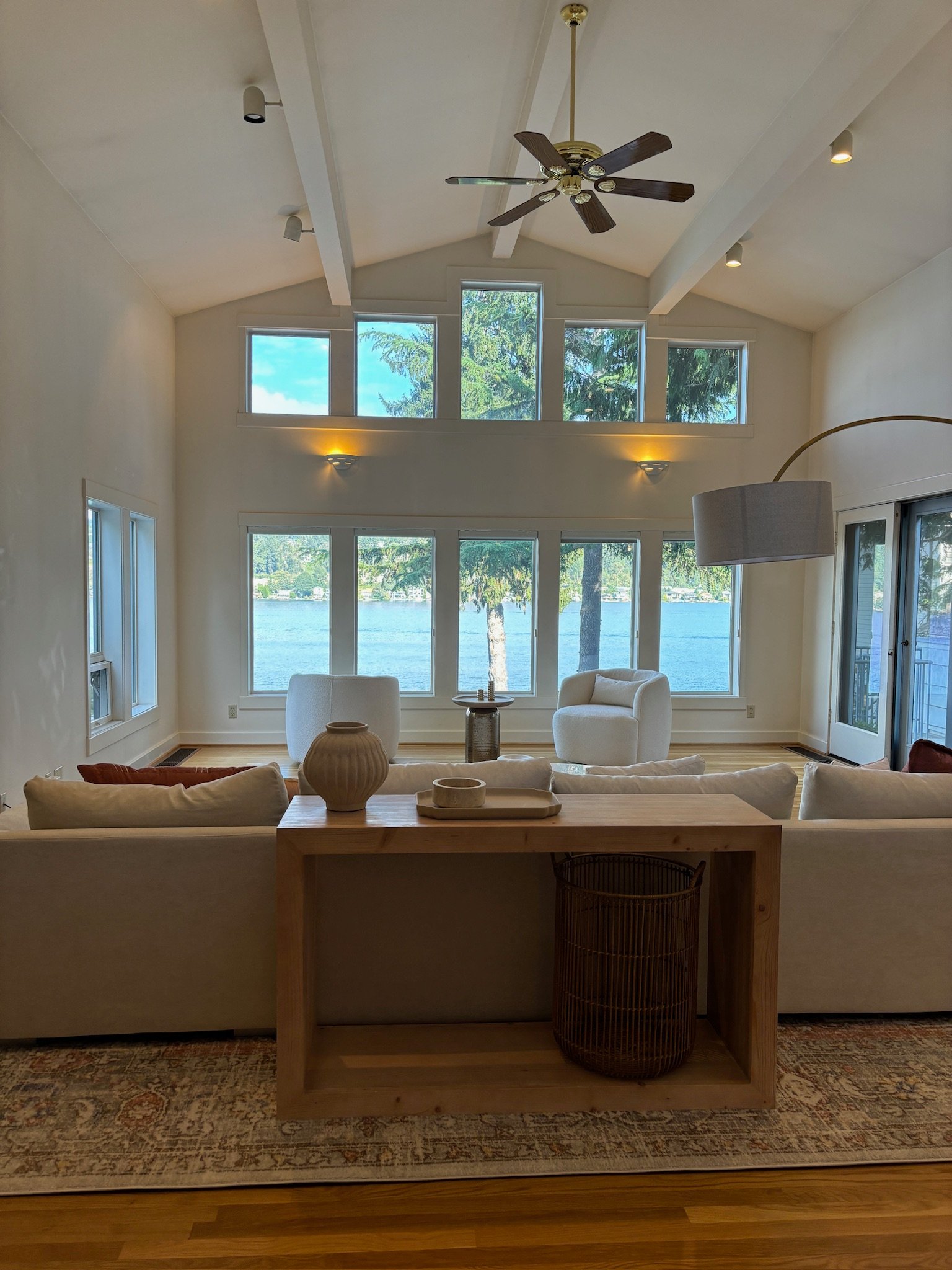
July 31, 2026·Kirkland, Staying With Us·4 min·

How the History of Corporate Housing Began

The history of corporate housing began with a practical gap between short hotel visits and permanent residential leases. Employers needed comfortable housing for relocations, training, projects, and assignments lasting several weeks or months. According to the Corporate Housing Providers Association, corporate housing provides professionally managed, fully furnished, residential-style accommodations for temporary needs. Unlike a nightly hotel room, these homes support everyday routines with kitchens, living areas, laundry access, utilities, and flexible terms. Over several decades, the model expanded as workforces became more mobile. It also became more organized, with providers managing guest support, billing, maintenance, and service standards. Therefore, corporate housing developed into more than furnished space. It became a complete temporary living solution for people navigating professional or personal transitions.

Why Corporate Housing Grew Beyond Hotels

Hotels remain useful for conferences, quick meetings, and short business trips. However, longer stays can make limited space and hotel-centered routines feel restrictive. Guests may need room to prepare meals, work privately, store belongings, and recover after demanding days. Corporate housing grew because it offers a residential environment without requiring a permanent move. Guests can settle into a normal rhythm while maintaining a defined temporary timeline. This option also reduces the setup burden that often comes with an unfurnished rental. Furnishings, internet, utilities, and household essentials can already be in place. As a result, professionals and families spend less time coordinating services. They can focus instead on work, relocation, recovery, or the next stage of their move.

Corporate Housing vs. Hotels and Extended-Stay Hotels

Corporate housing, hotels, and extended-stay hotels solve different needs. Hotels usually prioritize short reservations, standardized rooms, and hospitality services. Extended-stay hotels add kitchen features and support longer visits, but they still use a hotel format. Corporate housing generally provides a more residential layout and professionally managed extended occupancy. Separate living and sleeping areas can make work, meals, and downtime easier to manage. In addition, bundled services can create a clearer monthly housing experience. CHPA’s 2017 industry report reported an 86-night average stay in 2016. That figure shows how strongly the category supported longer assignments. However, the best choice still depends on the traveler’s schedule, budget, and preferred setting.

How Short-Term Rentals and Traditional Leases Compare

Short-term rentals can offer attractive homes and varied locations. Yet management standards, included services, and support can differ between properties. Corporate housing emphasizes professional management and a predictable extended-stay purpose. That distinction matters to employers, relocation teams, insurers, and guests who need dependable service. Traditional rentals create another challenge because they often require longer commitments and additional setup. A temporary resident may need furniture, utility accounts, internet service, and household supplies before settling in. Corporate housing fills the middle ground. It combines residential comfort with flexible terms and coordinated support. Therefore, it can suit people who need more structure than a vacation rental. It also requires less commitment than many conventional leases.

Relocation, Healthcare, and Project Work Drive Demand

Corporate housing demand comes from several parts of the mobile workforce. In CHPA’s 2017 industry report, relocation remained the leading trip purpose for the sixth consecutive year. Project and training assignments ranked second. The report identified technology and healthcare as the largest industry demand generators. Today, workforce mobility also includes infrastructure, energy, aerospace, defense, and other project-based sectors. Traveling nurses and other clinicians also need dependable housing near medical facilities. Greater Seattle fits this pattern because the region connects employers, hospitals, technology campuses, and specialized teams. Aplus offers furnished housing across Seattle, Bellevue, Redmond, Kirkland, and Bothell.

Remote Work and Insurance Needs Shape Modern Stays

Remote and hybrid work have also changed the conversation about temporary housing. U.S. Census Bureau data showed 13.8% of workers usually worked from home in 2023. In comparison, 5.7% usually worked from home in 2019. That shift increased the value of reliable internet, private work areas, and comfortable daily living space. Meanwhile, corporate housing also supports people facing unexpected displacement. The National Association of Insurance Commissioners explains that many homeowners policies may cover additional living expenses after a covered disaster. Coverage may help with temporary hotel or apartment costs while repairs continue. However, limits, documentation rules, and policy requirements apply. Professionally managed furnished housing can provide stability during an uncertain period.
Why Aplus Housing Fits the Industry’s Next Chapter

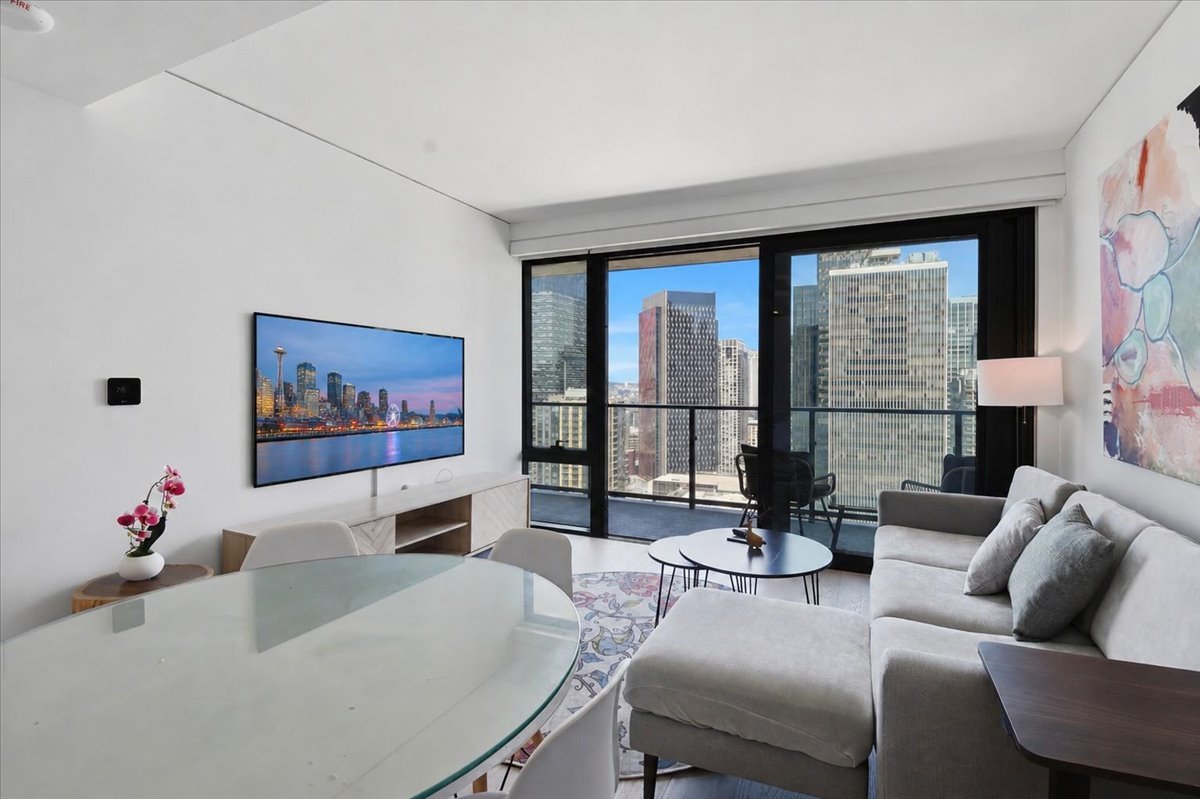
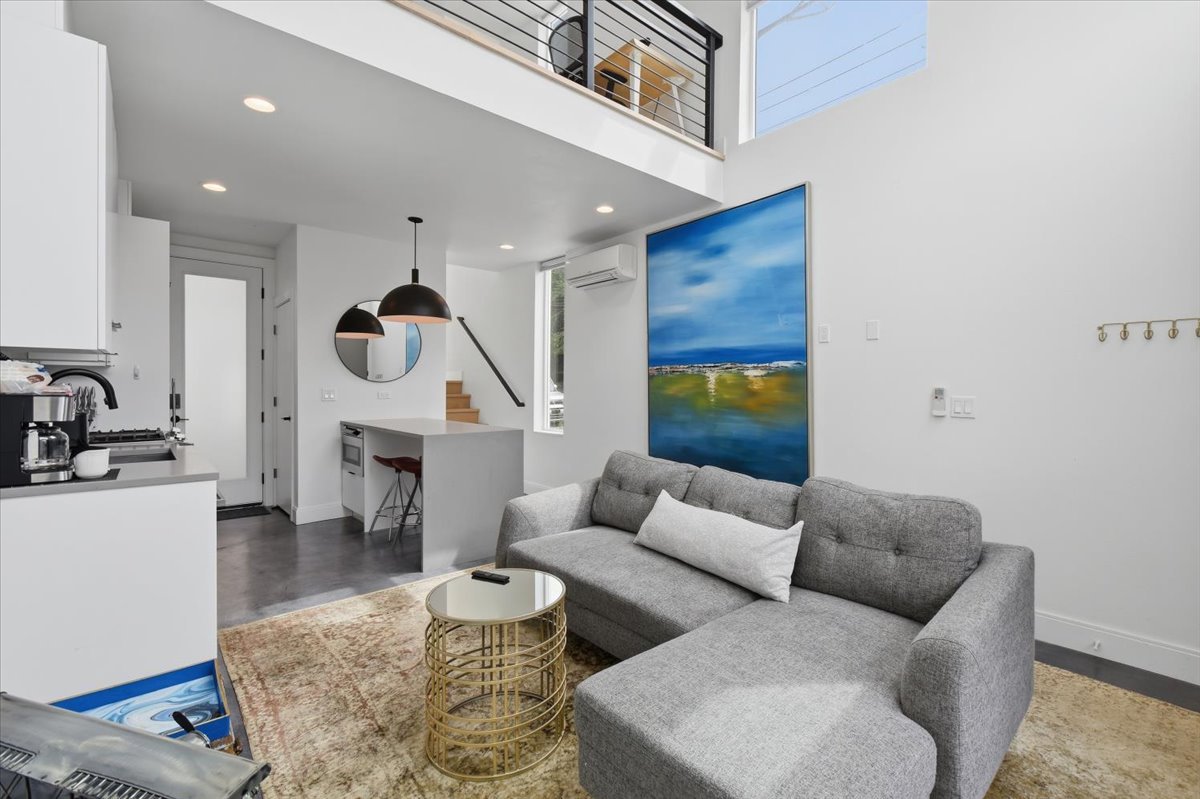
The history of corporate housing shows that better extended stays depend on comfort, flexibility, and dependable service. Aplus Housing brings those qualities to the greater Seattle area. Its furnished homes include kitchenware, linens, laundry, utilities, and high-speed Wi-Fi. Flexible stays begin at 30 days, supporting relocations, medical assignments, projects, and other temporary needs. Aplus also offers easy check-in, grocery delivery at arrival, cleaning options, work-order support, and emergency assistance. Since 1998, the company has relocated thousands of clients to the Seattle region. Its team also brings more than 40 years of combined experience. Explore Aplus Housing’s corporate housing options and start planning your stay today.
*Stays begin at 30 days. Please contact us for more details.

Seattle Corporate Housing

Relocating to Seattle? Browse our furnished apartment rentals and find your home away from home, and read our comprehensive guide to moving to Seattle.

Related articles