
Understanding Temporary Housing: A Complete Guide

What Is Temporary Housing?
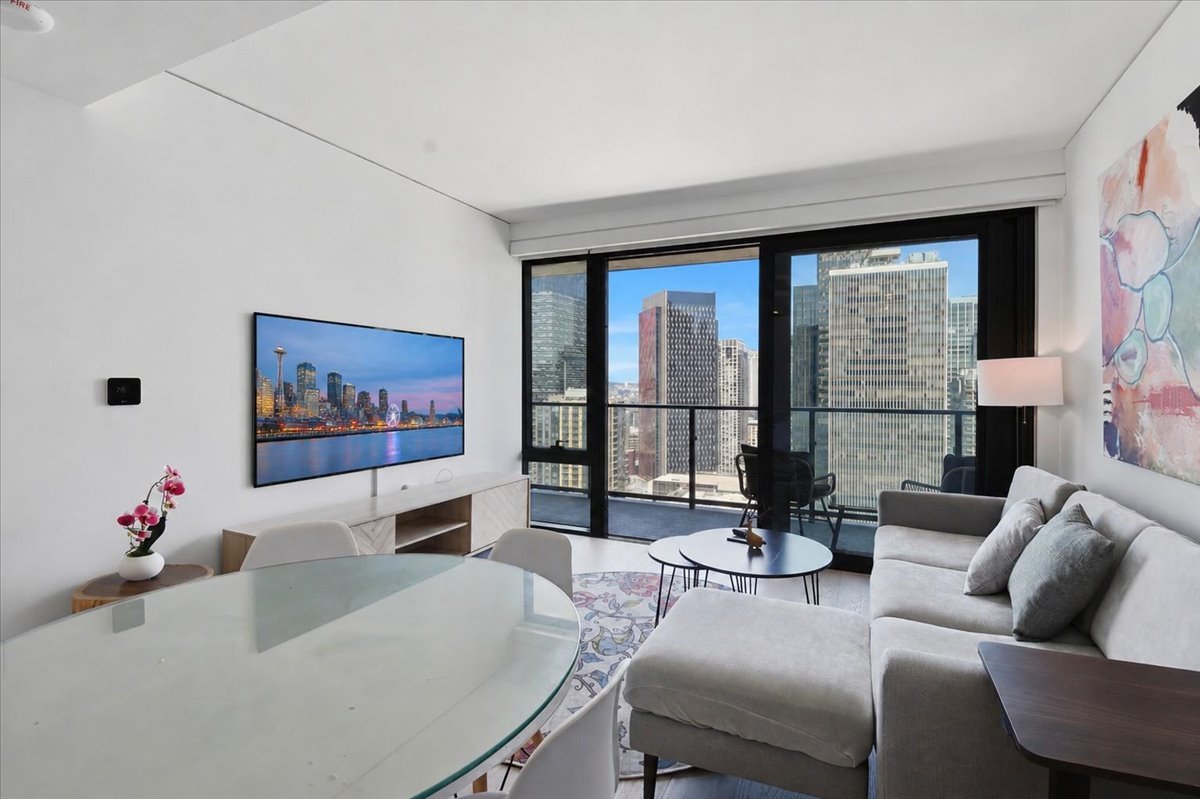
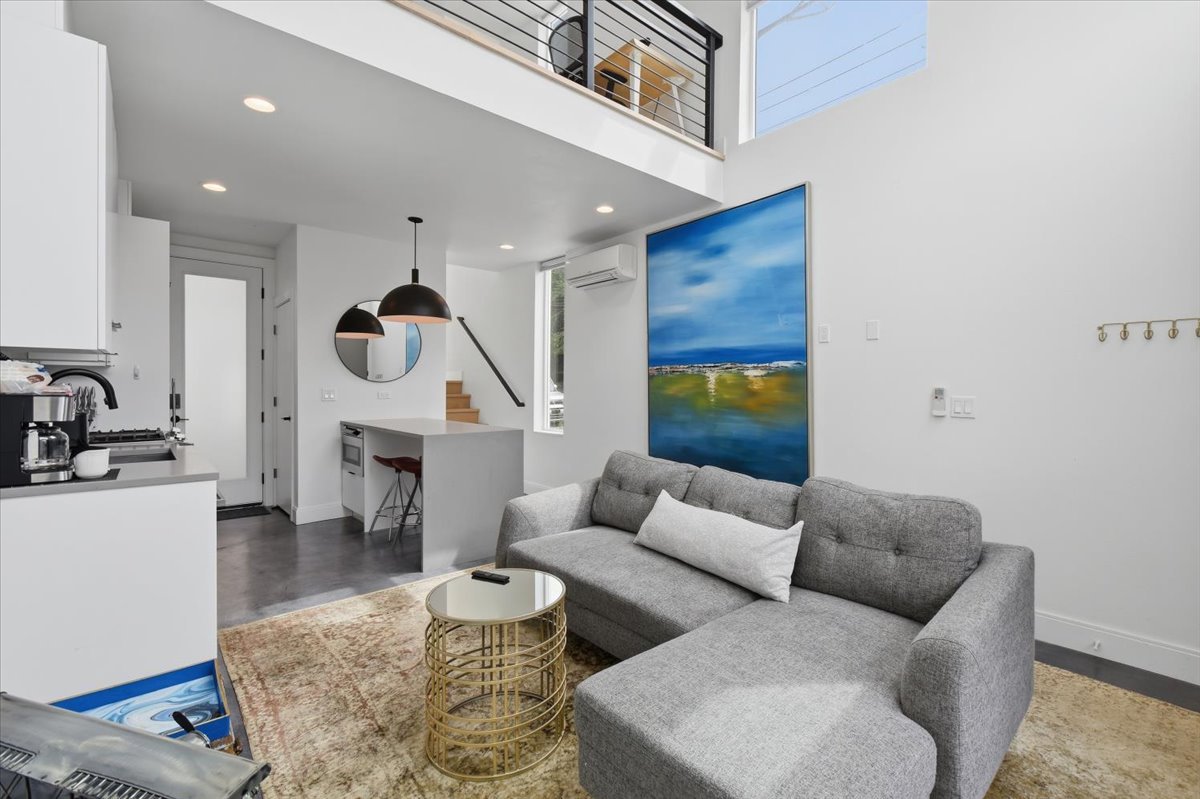
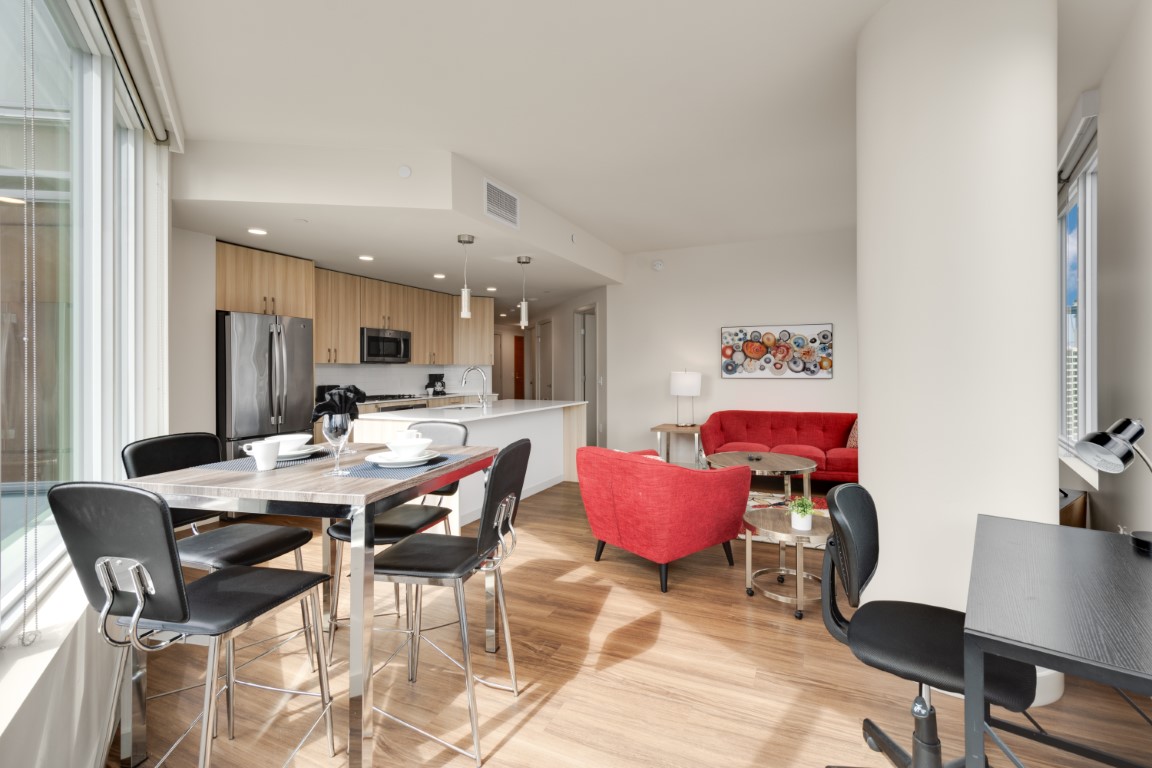
Temporary housing is a move-in-ready place to live for a short but meaningful stretch of life when a permanent home isn’t practical yet. That can happen during a work relocation, a long project assignment, a home sale, a renovation, or an insurance-related displacement while repairs are underway. In other words, temporary housing fills the gap between where you were and where you’ll be next. That gap can be stressful, especially when timing feels uncertain. You don’t just need a roof over your head. You need a place that helps you keep your routine intact, stay comfortable, and avoid turning a difficult transition into a daily hassle. In the Seattle area, that’s why temporary housing works best when it feels like a real home instead of a stopgap. The more the stay supports normal life, the easier it is to stay focused and steady while the bigger situation gets resolved.
When People Need Temporary Housing in the Seattle Area
The need for temporary housing comes from more situations than most people expect. Corporate relocations are a major one, especially when someone needs to start work before a long-term home is chosen. Project-based professionals also need it when an assignment lasts longer than a hotel stay makes sense. Families and individuals may need it during renovations, delayed closings, or while insurance claims and home repairs are still in motion. That wider demand matters because it shapes what people are really searching for. They’re not just typing in a generic housing term. They’re looking for speed, flexibility, and stability. They want a provider that can help them settle in quickly and stay comfortable for however long the in-between period lasts. That’s why furnished, professionally supported housing tends to stand out.

What Good Temporary Housing Should Include
- Full furnishings that make the home livable right away
- Kitchenware and a working kitchen for daily meals
- Linens and everyday basics that support immediate move-in
- Utilities and Wi-Fi already active before arrival
- Laundry access for normal week-to-week living
- Enough flexibility to match changing timelines
Why 30-Day-Plus Furnished Housing Often Works Best
The hardest part of a temporary move usually isn’t the first night. It’s week three, when the reality of living there sets in. That’s why a hotel-style setup often falls short for anything more than a very short bridge. You need space to spread out, cook, do laundry, and feel at least somewhat at home. Aplus Housing specializes in stays of 30 days or more, which makes a lot of sense for temporary housing needs tied to relocation, home repairs, or project work. That timing gives guests the flexibility to stay through an uncertain window without forcing them into a traditional lease. It also gives them a better daily experience than a cramped short-stay setup that was never meant to support real life.

How Aplus Housing Supports Guests Through Disruption
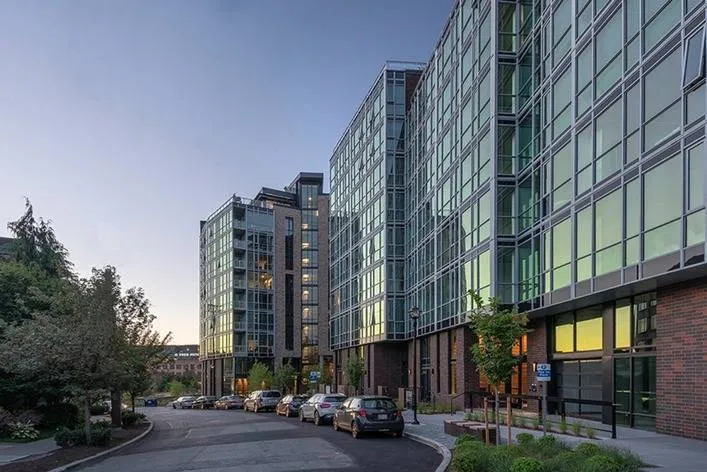
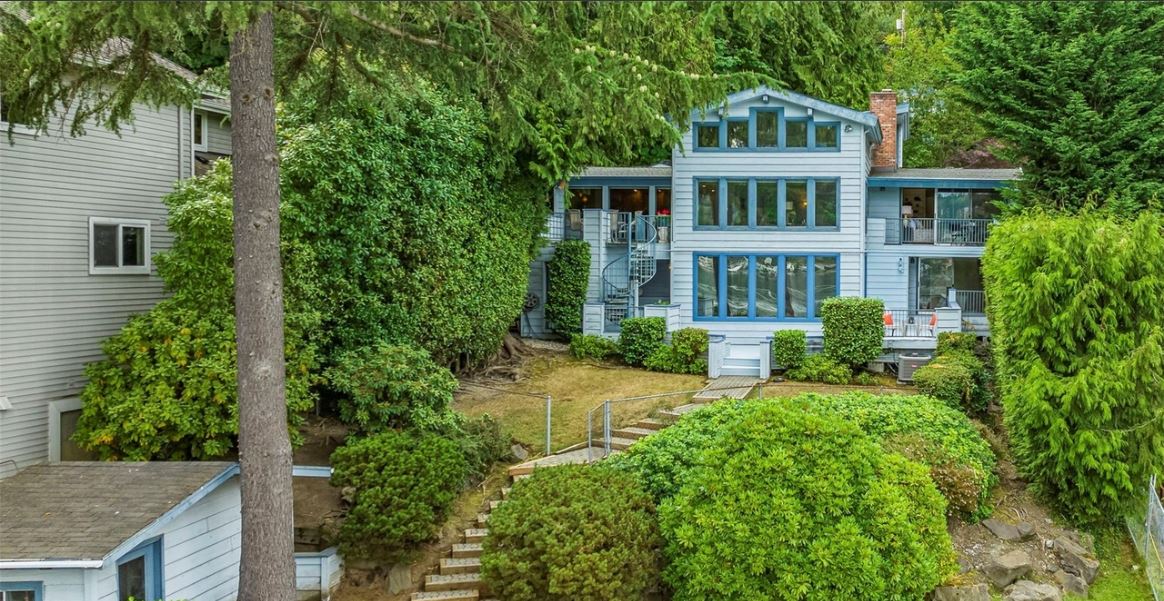
Aplus serves Seattle, Bellevue, Bothell, Kirkland, and Redmond, which helps guests choose a location that keeps them close to work, school, family needs, or familiar routines. The homes are fully furnished and designed to help people move in quickly, without spending the first several days fixing missing basics. Our 1:1 support also includes practical details that reduce stress. Guests benefit from utilities and internet that are already set up, easy check-in and check-out, grocery delivery upon request, optional cleaning services, and 24/7 emergency support. During an insurance claim, a relocation, or a longer transition, those details matter. They create stability at a moment when many other parts of life feel uncertain.
What To Ask Before You Choose a Temporary Housing Provider
Not all temporary stays are equally useful. Before you book, ask questions that reveal whether the housing will truly support the life you need to live during the transition.
- Is the home fully ready for immediate move-in?
- Are utilities and Wi-Fi already included?
- Does the stay support 30-day-plus timing if my plans change?
- Will the location work for my real daily routine, not just a map search?
- Is support available if an issue comes up during the stay?
- Can I keep a normal routine with cooking, laundry, and enough living space?