
Intern Housing Near Seattle Tech Companies: How to Plan a Fall or Winter Internship Stay

Housing Near Seattle’s Tech Companies
Finding intern housing near Seattle tech companies in the fall or winter differs from the summer rush. Off-cycle internships and co-op terms often run September through December or January through April, and many summer-intern options, like university dorms and fixed summer-session rooms, disappear once the academic year starts. You need a furnished place that fits an unusual calendar, handles Seattle’s rainy season, and still feels like home during the shortest days of the year. There’s good news, though. You aren’t competing with thousands of summer interns for the same June move-in week. The tradeoff is that you need a plan built for wet commutes, early sunsets, holiday breaks, and a term that may cross from one calendar year into the next. Aplus Housing offers furnished stays starting at 30 days across Seattle, Bellevue, Kirkland, Redmond, and Bothell, plus intern housing programs built for comfort, flexibility, and practical daily living. That makes it a natural fit for a fall or winter internship that doesn’t line up with a traditional 12-month lease.
How Fall and Winter Internships Change the Housing Search
Off-cycle internships show up for a few reasons. Some employers stagger intern classes throughout the year. Co-op students from schools with year-round programs arrive whenever their term begins. Other interns land a return offer or an extension that turns a summer role into a fall placement. Whatever the reason, the housing math changes once school resumes.
Here’s how a fall or winter term compares with the classic summer internship:
| Factor | Summer internship | Fall or winter internship |
|---|---|---|
| Typical timing | Roughly June to August | Often September to December or January to April |
| Seasonal student housing | Summer-session dorms are common | Dorms are usually full with enrolled students |
| Competition for move-in dates | Heavy, with many interns arriving at once | Lighter, but with fewer purpose-built intern options |
| Weather | Mostly dry with long daylight hours | Frequent rain, and sunset around 4:20 p.m. in December |
| Holidays inside the term | Usually just July 4 | Thanksgiving, winter break, and New Year's |
| Lease fit | Short, predictable window | May cross calendar years, and extensions are common |
That’s why intern housing near Seattle tech companies for an off-cycle term should be treated as a seasonal living plan, not just an open room. Start with your official start and end dates. Then ask how the lease handles an early arrival, a holiday break, a delayed January start, or an extension into the next term.

Pick a Home Base That Works in the Rain and the Dark
Seattle’s fall and winter weather is more drizzle than drama, but it shapes daily life. Commutes start and end in low light for much of the season, sidewalks stay wet, and the occasional snow or ice event can make hilly streets tricky. Because of that, the right city depends on how you’ll actually get to work from November through February, not on how the route looks on a sunny map.
Here’s a quick way to think about the service area:
- Seattle: A strong fit for downtown or South Lake Union offices. You’ll get walkable neighborhoods, frequent transit, and plenty to do on dark evenings. Just factor in steep hills if ice ever shows up.
- Bellevue: Works well for Eastside offices concentrated around the downtown business district, where shorter walks matter more when it’s raining.
- Redmond: Can cut your commute when your work is farther east, which pays off when it’s dark by the time you leave.
- Kirkland: A quieter home base with access to several Eastside routes, ideal if you want calm evenings after work.
- Bothell: A more residential option that can make sense if you’ll drive or your employer runs a shuttle that serves the area.
Before you commit, run through a winter commute check:
- Test the route at your real start and end times, not midday.
- Look at any walking segments and picture them in steady rain after dark.
- Ask whether your employer shuttle runs a reduced schedule around Thanksgiving and late December.
- Check current light rail and bus service for your route, since schedules can change between seasons.
- If you’re driving, confirm parking and how the route handles wet-weather traffic.
- Ask your team what the policy is on bad-weather or remote days.
What a Fall or Winter Furnished Stay Should Include
Summer interns can get away with spending most evenings outside. Fall and winter interns spend a lot more time at home, so the quality of the space matters more. Look for:
- Reliable heat and utilities included, so a chilly January doesn’t come with a surprise bill
- Laundry access for drying rain gear and keeping work clothes ready
- High-speed internet for remote days, holiday weeks, and staying in touch with family
- A full kitchen with housewares, because darker evenings mean more meals at home
- A comfortable workspace and good lighting for reading, prep, or interview practice
- Fresh linens and storage for coats, boots, and bulkier winter clothing
- Local support if something breaks during a cold snap
It also helps to compare your housing options side by side for an off-cycle term:
| Option | What works | What to watch for in fall or winter |
|---|---|---|
| Standard apartment lease | Privacy and a full home setup | Often requires a 12-month commitment, plus furniture, utility accounts, and deposits |
| Student or dorm-style housing | Built-in community | Usually tied to the academic calendar and often full once school starts |
| Furnished 30-day-plus stay | Move-in ready, with flexible terms built for temporary work | Confirm dates around holidays and ask about extension options early |
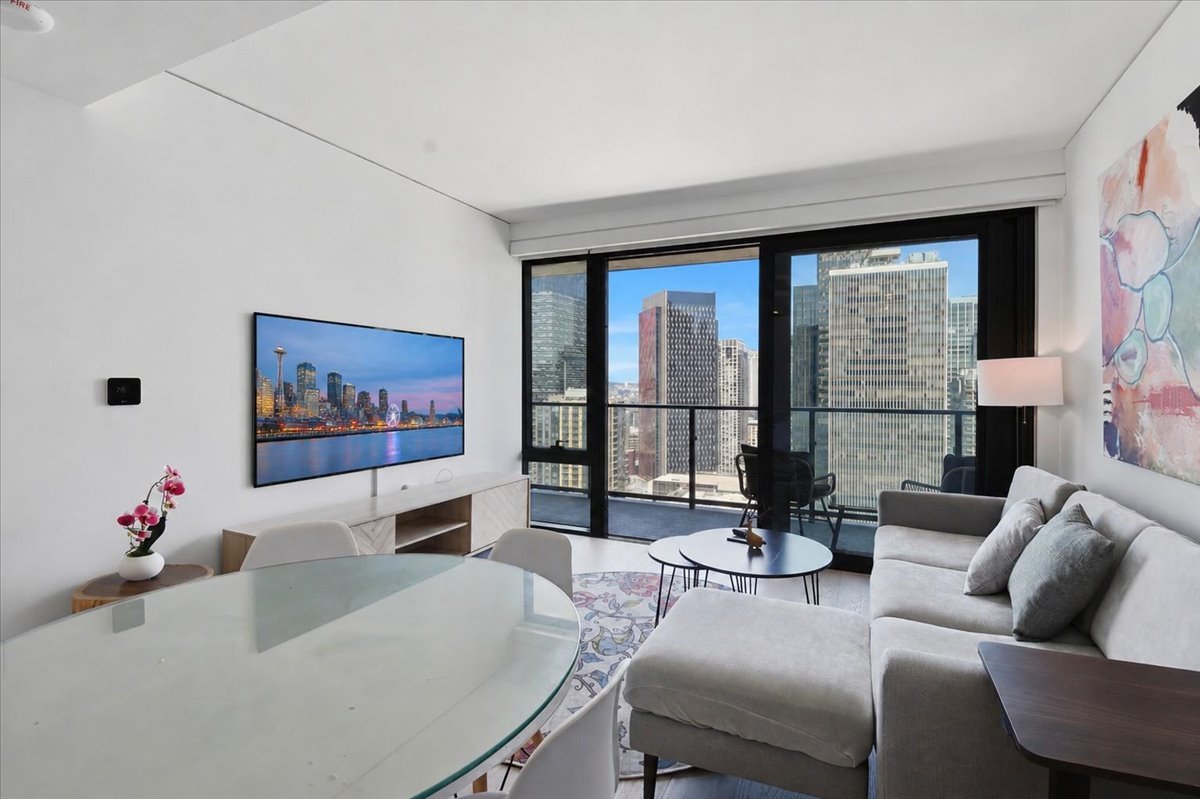
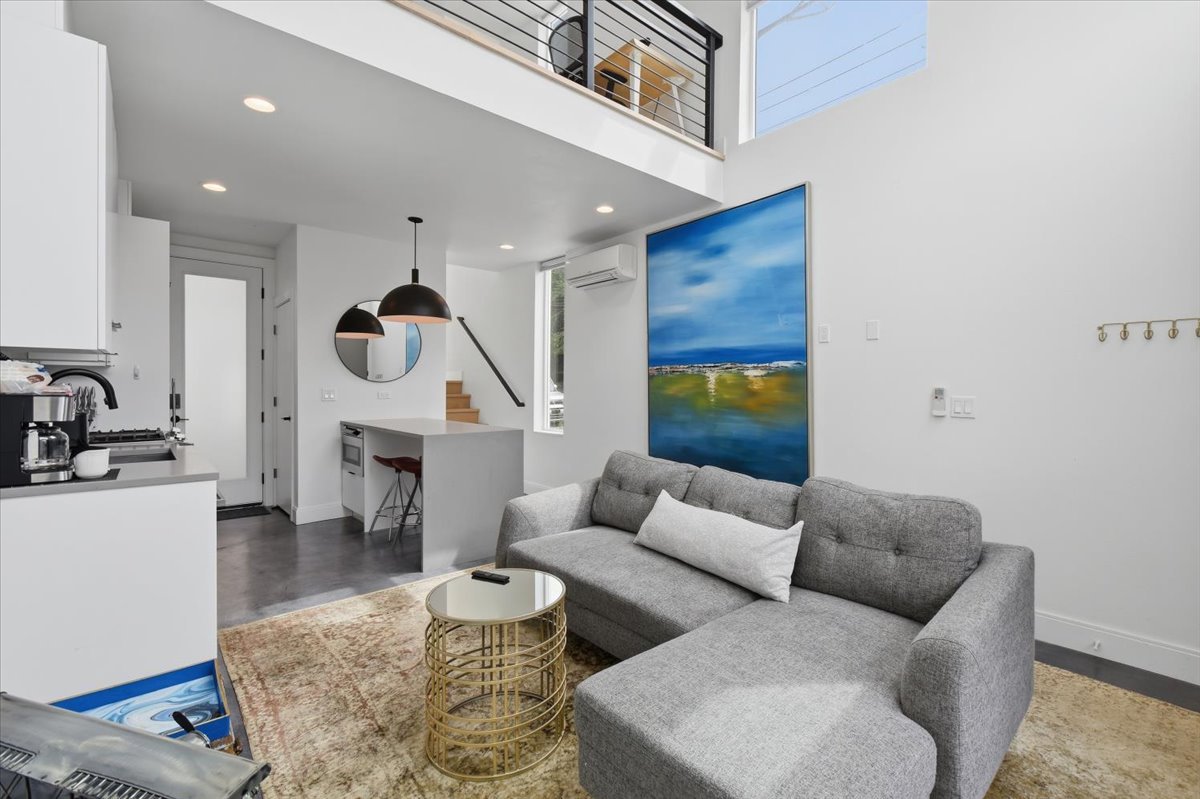
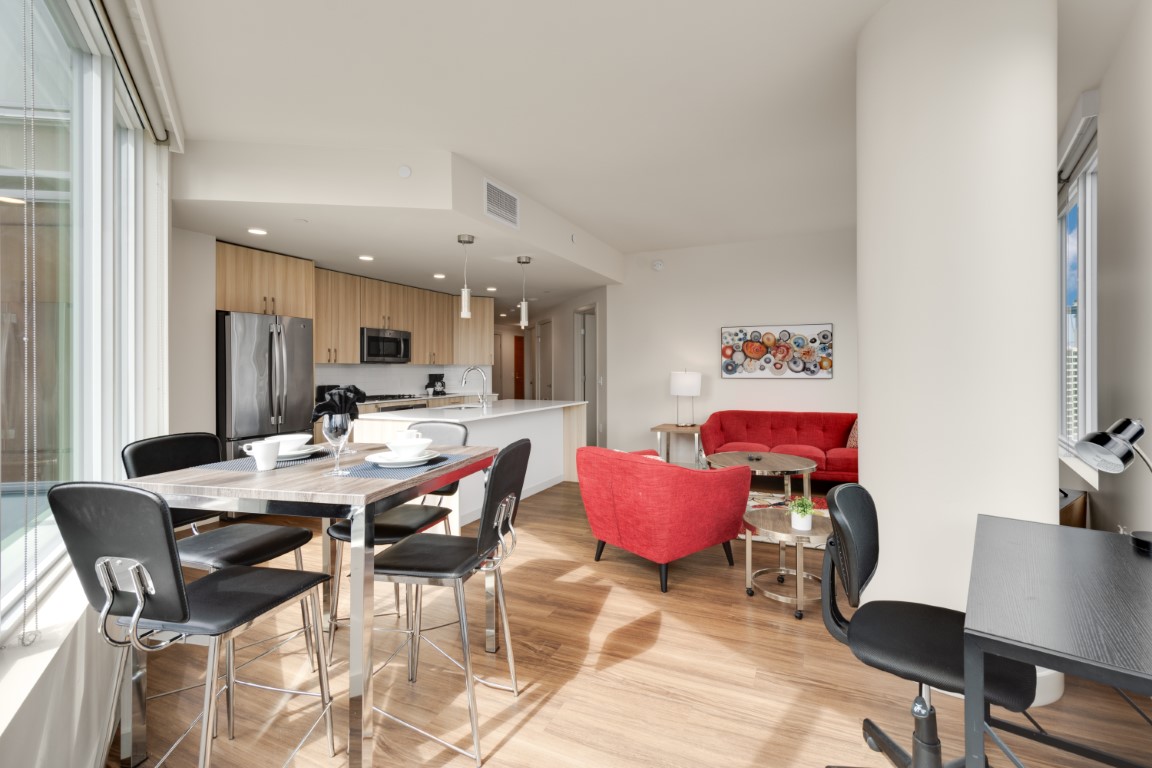
Aplus’s intern housing programs include furnished apartments, high-speed internet, utilities, fresh linens, and housewares. This setup lets you skip furniture shopping and utility calls during your first week, which matters even more when you arrive in the middle of a busy fall season.

Plan Around Holidays, Breaks, and Term Extensions
A fall or winter internship usually runs right through the holiday season, so plan for it before you sign.
Ask yourself a few practical questions:
- Will you keep your housing over Thanksgiving or winter break? Keeping it is often simpler, since your belongings stay put and you don’t have to move twice.
- Does your term start right after New Year’s? Holiday travel can be hectic, so ask whether you can arrive early.
- Could your fall term roll into winter? Extensions and return offers are common, and a 30-day stay gives you room to adjust without breaking a long lease.
- Who’s paying? If a parent, university, or employer is covering the stay, share the dates, total cost, inclusions, and support process with them up front.
For company intern programs, Aplus also describes shared housing, online billing and reporting, and transportation solutions. Those features help HR and university-relations teams place several off-cycle interns without juggling separate vendors. Finally, think about your first 48 hours. If you can, arrive in daylight so you can learn the neighborhood and your route before your first early morning. Pick up a good rain jacket, figure out the nearest grocery store, and do a test commute before orientation. A move-in-ready home makes all of that easier because it handles the basics. An off-season internship has perks, too. You’ll see Seattle with fewer tourists, enjoy the area’s holiday events, and have mountain recreation within reach on weekends, with ski areas at Snoqualmie Pass about an hour’s drive east of the city.
Why Aplus Works for Off-Cycle Interns, Families, and Employers
Aplus Housing combines the comfort of a furnished home with the flexibility that short programs require. Stays start at 30 days, so a September-to-December or January-to-April term doesn’t lock you into a lease meant for a full year. The service area covers Seattle, Bellevue, Kirkland, Redmond, and Bothell, which gives you more than one answer if your office location or availability changes. Aplus also understands that intern housing often involves more than one decision-maker. An intern cares about the commute and independence. A parent cares about comfort, safety, and support. An employer cares about cost control, reporting, and dependable placement. Aplus’s intern housing solutions address all three through furnished spaces, practical amenities, and program support. That’s a far better starting point than piecing together a room, furniture, and utilities on your own in the middle of the rainy season. You can arrive ready to live, work, and make the most of a Seattle fall or winter.
Lock In Your Fall or Winter Internship Home Now
The right intern housing near Seattle tech companies should make an off-cycle term feel simple, not add another project to your calendar. Start with your dates, office location, winter commute plan, and holiday schedule. Then compare furnished stays based on comfort, setup, flexibility, and support. If your internship starts in January, plan now, since holiday travel and year-end schedules can make December bookings feel rushed. Aplus Housing can help interns, families, and companies find move-in-ready homes across the Seattle area. Explore Aplus intern housing and secure a warm, comfortable home base before your first rainy commute.