
Signs You’ve Outgrown Self-Managing Your Rental

Why Self-Managing a Rental Property Starts to Feel Different
At first, self-managing a rental property can feel like the obvious way to stay in control. You handle the listing, respond to guests, coordinate cleanings, and keep more decisions in your own hands. Early on, that can seem efficient. However, the workload changes once the rental needs consistent occupancy, stronger guest communication, and smoother day-to-day operations. That shift catches many owners off guard. What once felt manageable starts bleeding into evenings, weekends, and other responsibilities. More importantly, the property can begin to underperform even when demand still exists. That’s usually the point where owners realize the question isn’t whether they can keep doing everything alone. It’s whether doing everything alone is still the smartest path.
Sign 1: Messages and Scheduling Are Taking Over
One of the clearest warning signs is how much mental space the property now occupies. If inquiries, guest questions, arrival details, cleaning handoffs, and last-minute adjustments are constantly interrupting the rest of your day, the rental is no longer running in the background. It’s running you. That’s a real problem in a market where responsiveness affects bookings and guest confidence. Owners who take too long to reply or who feel stretched during busy periods often lose momentum. If you’re always checking your phone, always coordinating one more task, and never fully off the clock, self-managing a rental property may already be costing more than it appears.

Sign 2: Cleanings, Maintenance, and Turnovers Keep Piling Up
A furnished rental doesn’t succeed on booking alone. It succeeds when the guest experience stays consistent from arrival through move-out. That means cleanings need to happen on time, maintenance issues need to be coordinated quickly, and turnovers need to feel organized rather than rushed. When those moving parts start slipping, the property becomes harder to trust and harder to keep full. This is where many owners hit a wall. Even one late vendor handoff or one poorly managed repair can create a ripple effect across the entire stay. If basic operations now feel harder to coordinate than the income feels rewarding, that’s a strong sign you’ve outgrown the current setup.
Sign 3: Occupancy Feels Too Fragile
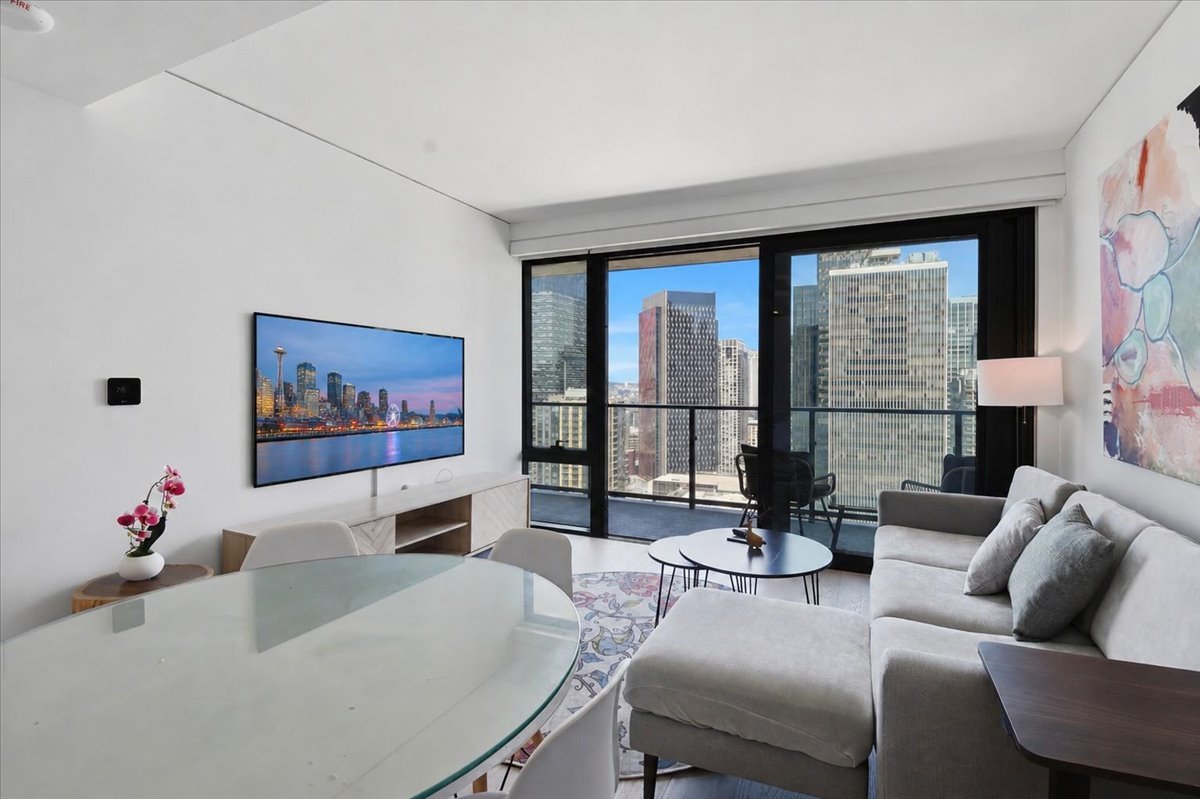
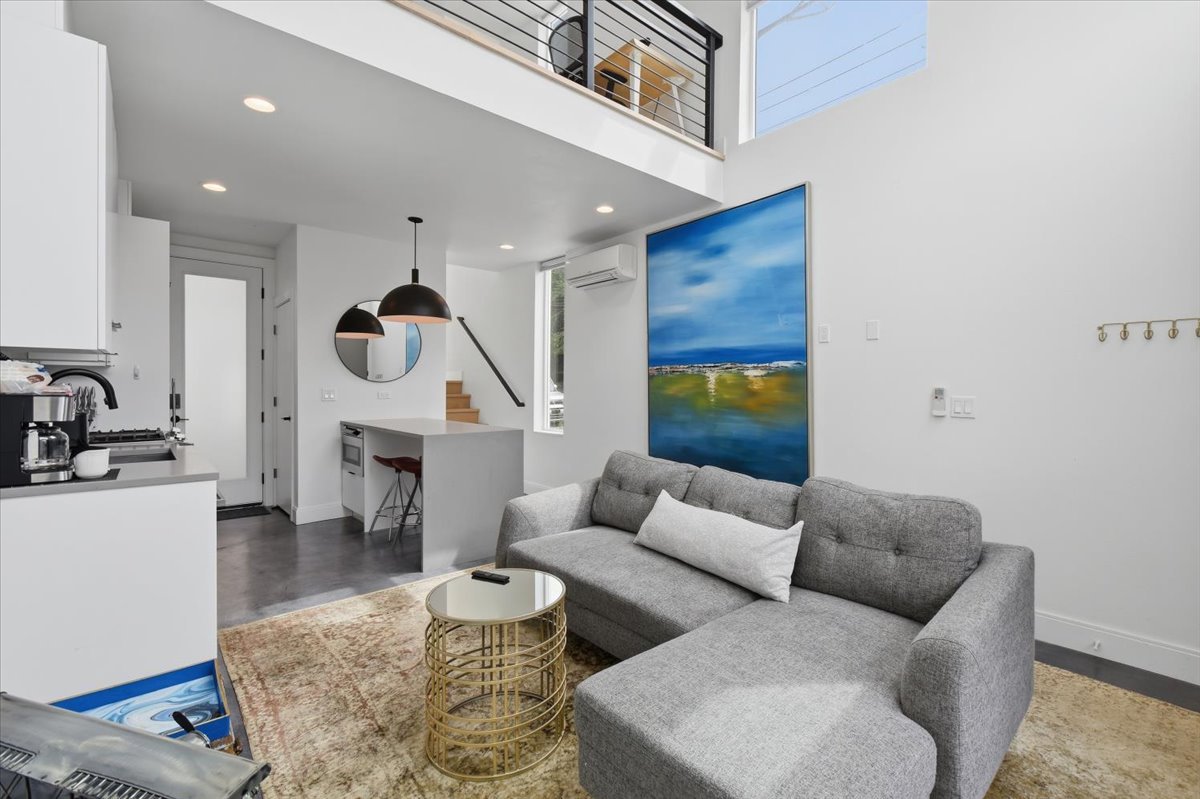
Another signal is inconsistent occupancy, even when your property should be competitive. Maybe the home is well located. Maybe it photographs well. Maybe there’s still interest in the kind of furnished monthly stays Seattle-area travelers need. Yet bookings still feel uneven, or they require too much personal effort to maintain. That often points to an operations issue, not just a demand issue. A listing can look appealing and still underperform if communication is uneven, marketing isn’t strategic enough, or the overall guest experience feels less polished than that of competing options. In other words, self-managing a rental property can quietly limit growth even when the property itself has more potential.

Sign 4: Revenue Goals Keep Outgrowing Your Time
Many owners don’t reach out for help because they want less involvement. They do it because they want better results without adding more chaos to their lives. Once you start thinking seriously about occupancy, pricing, guest quality, and long-term performance, the work becomes more strategic. At that point, doing everything yourself can actually make it harder to improve revenue. A stronger model should help the property earn well while reducing the operational drag behind that income. If you’re trying to grow performance but your time is already overloaded, the issue isn’t a lack of effort. It’s possible your current system has reached its limit.