
When and where is the FIFA World Cup in 2026?
Tournament Window and What’s New
The FIFA World Cup 2026 runs in the summer of 2026, spanning mid-June to mid-July. This edition expands the field to 48 national teams and takes place across three host countries in North America. That larger footprint means more matchdays, more travel logistics, and a longer operational timeline for rights holders, vendors, and event personnel. Because the calendar is concentrated in roughly five weeks, decisions about lodging, staffing rotations, and equipment staging benefit from early planning. Build a simple timeline now, then layer transportation and housing against confirmed fixtures as they publish.
Seattle’s Role in the Tournament
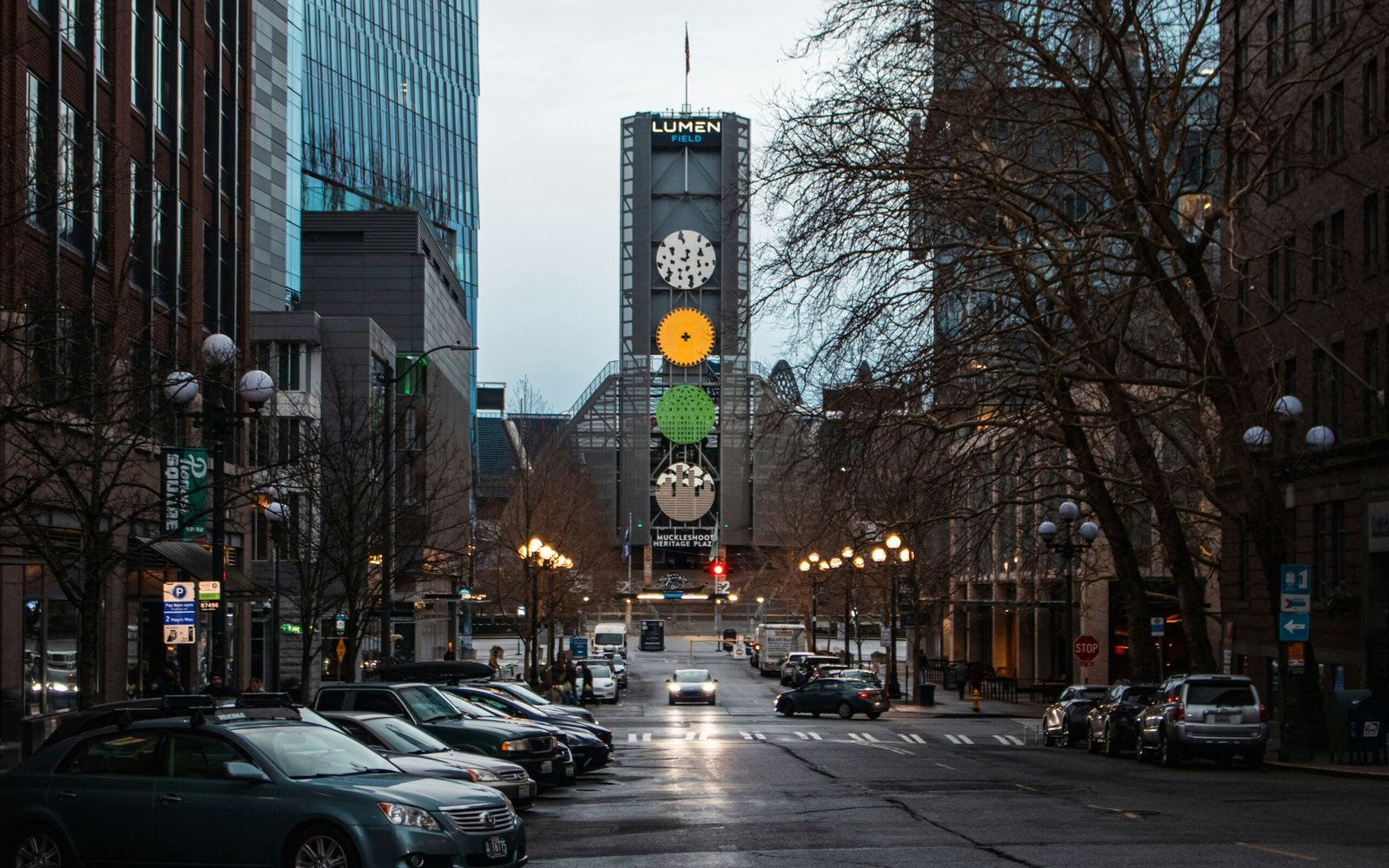
Seattle is one of the U.S. host cities and will stage multiple World Cup matches at Lumen Field. Fans can expect high-energy group fixtures and at least one knockout round in the downtown-south stadium district. The venue sits next to mass transit, walkable routes, and a dense set of food and entertainment options, which makes pre- and post-match movement straightforward. As official announcements refine kickoffs and opponent assignments, local organizers will share city-specific guidance on transport, security flow, and fan activations. Mark your calendar now for Seattle dates, then align crew rotations and local vendor schedules around those anchor days.
Getting Around Lumen Field on Matchdays
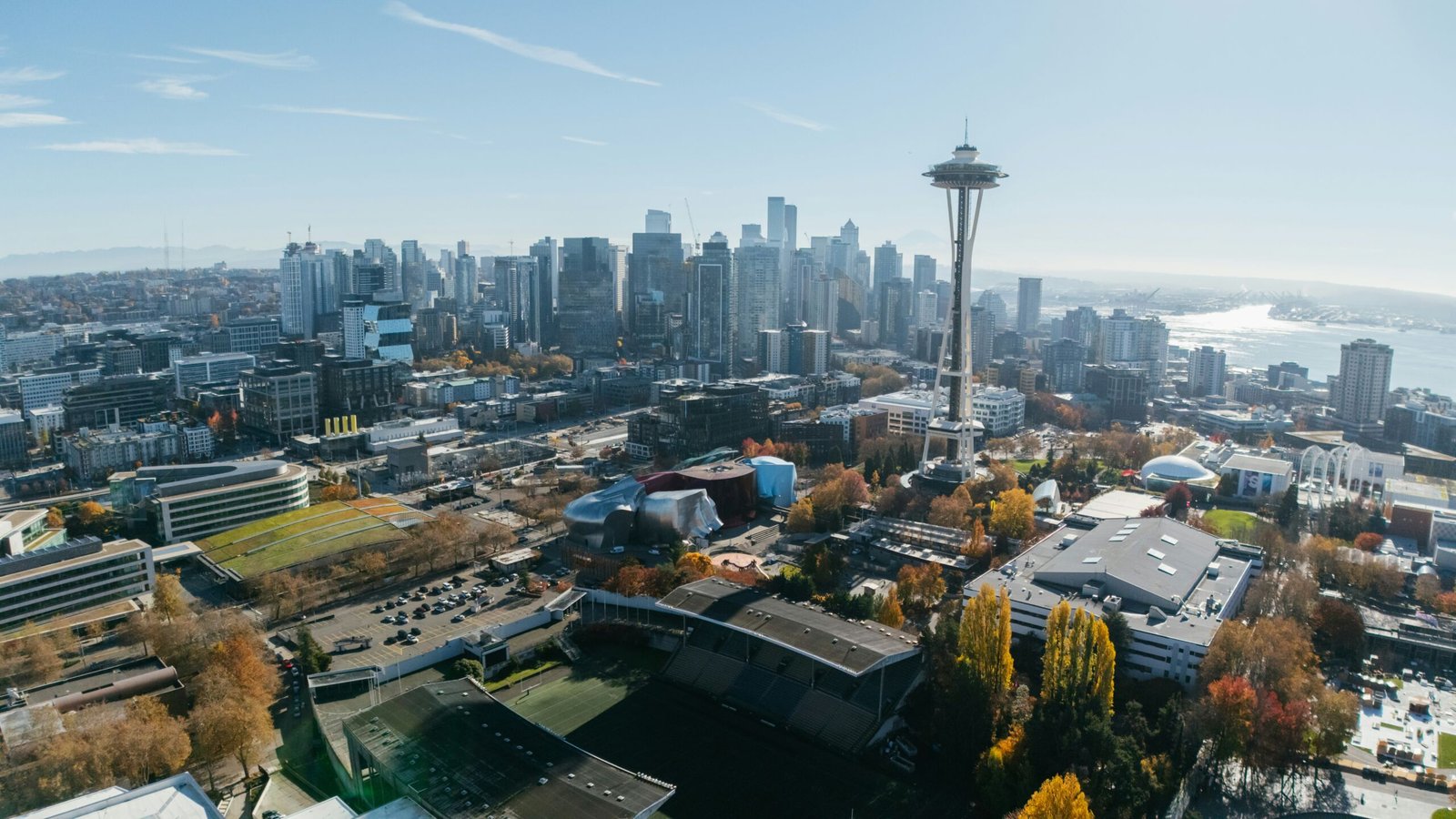
Lumen Field connects directly to Link light rail at Stadium and International District/Chinatown stations. Trains run frequently, and event operations add staff to help direct traffic on platforms and at exits. Wide sidewalks carry supporters along Occidental Avenue and the waterfront, while rideshare and bus corridors fill gaps for last-mile needs. Because demand spikes around kickoff and final whistle, plan to arrive early, secure credentials, and use the extra time for a scout of entrances, broadcast positions, or vendor docking. After matches, expect staggered departures that keep foot traffic moving and reduce bottlenecks at station entries.
What to Do Between Matches in Downtown Seattle
Downtown offers easy resets between meetings, crew calls, and matchdays. Pike Place Market delivers quick meals, coffee, and harbor views within minutes of the central business district. The Seattle Art Museum sits a few blocks inland for short exhibit walks that clear your head. Olympic Sculpture Park creates a calm waterfront loop that works well before an evening fixture. Waterfront Park and the Great Wheel provide fast skyline views if you want an off-feet break. If the schedule allows, T-Mobile Park next door adds MLB dates that pair naturally with a football-heavy week. Because these stops sit near transit and the stadium, you can recharge without losing time to cross-town travel.
Why Corporate Housing Makes Sense for Vendors and Staff
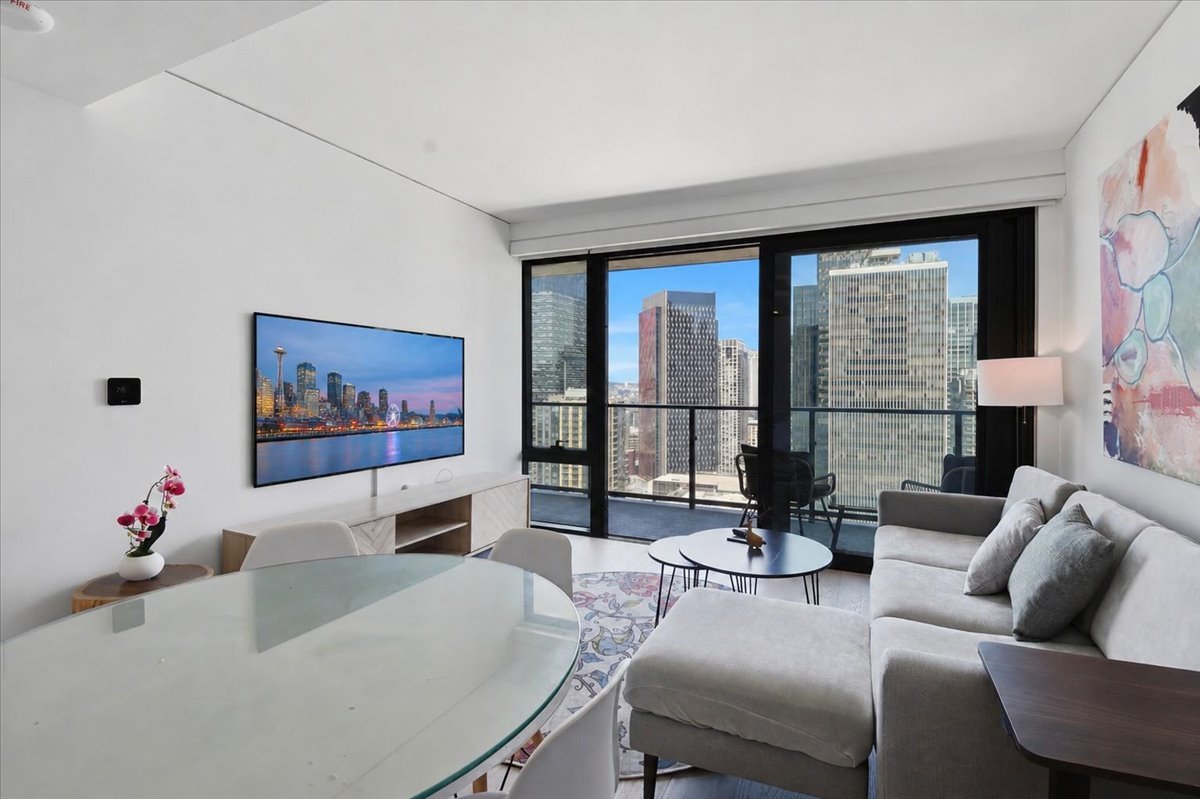
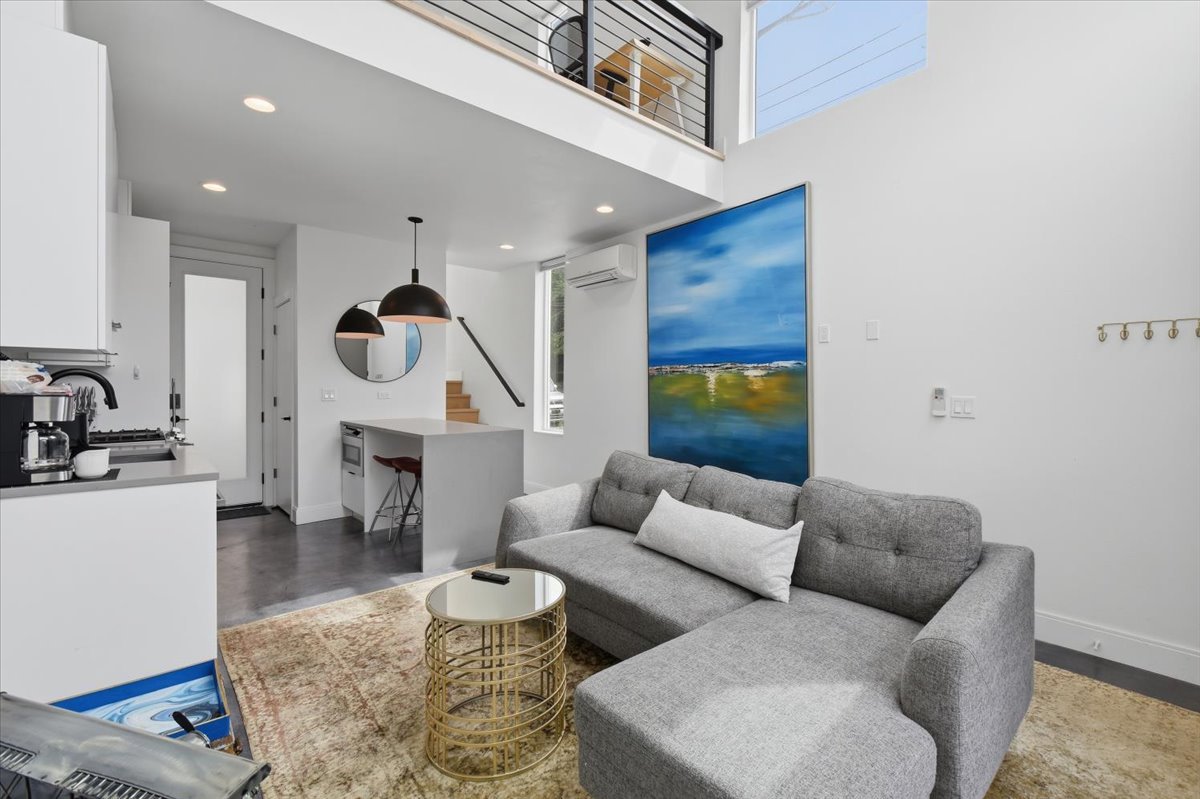
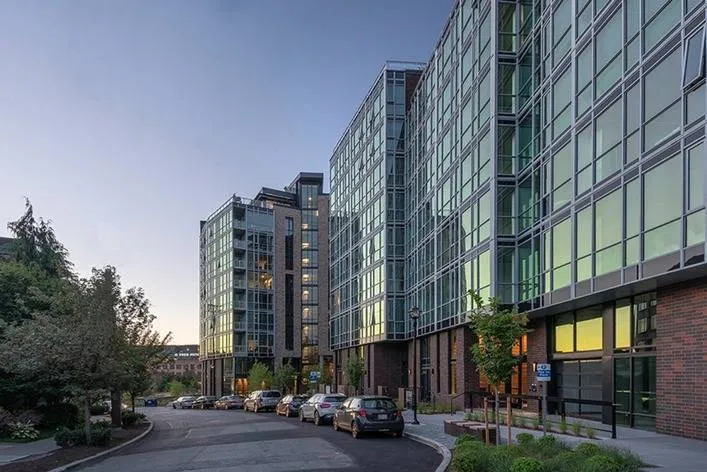
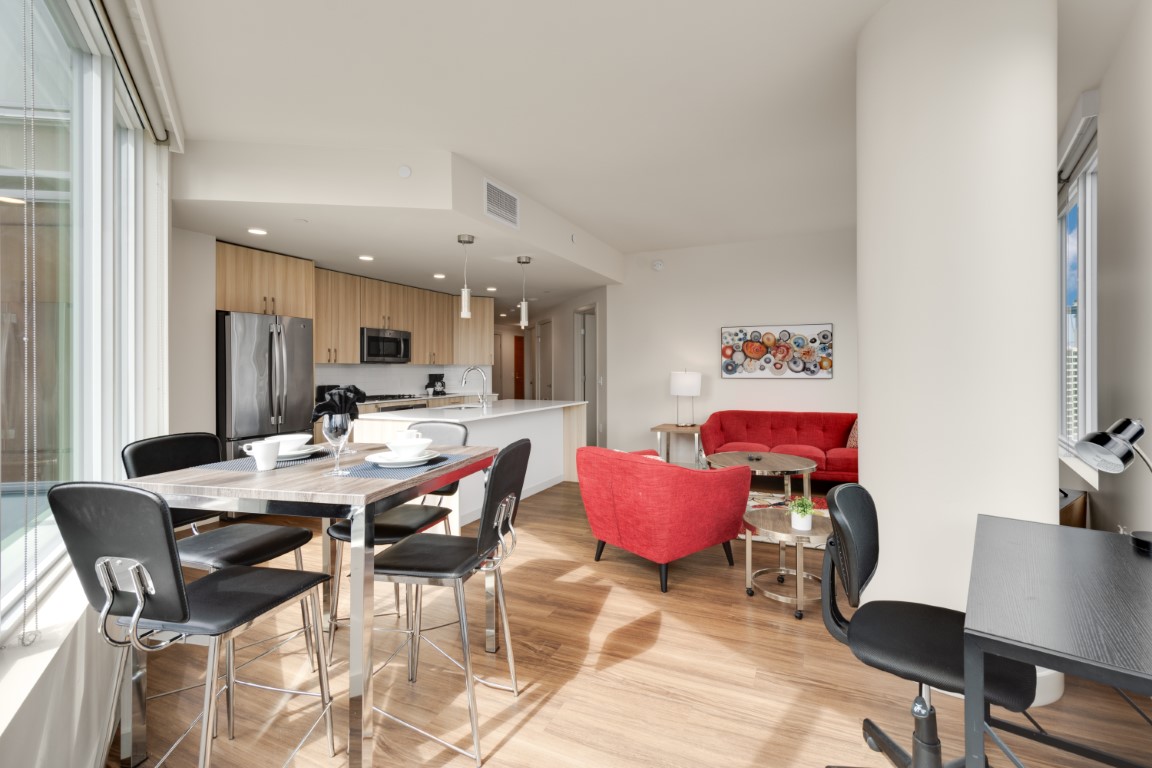
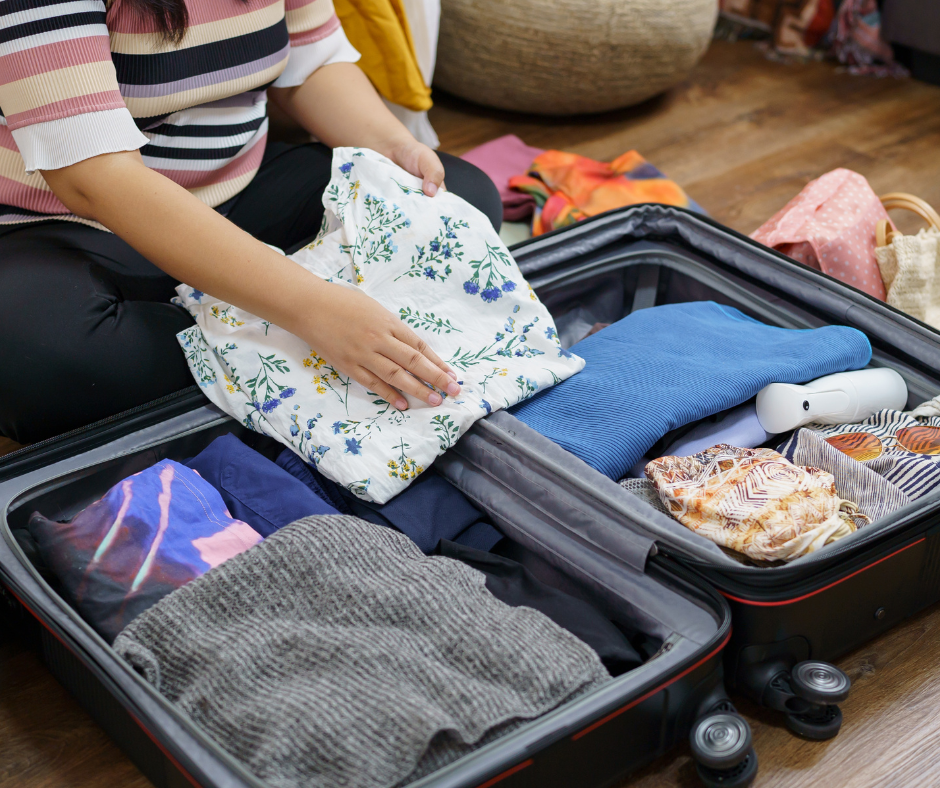
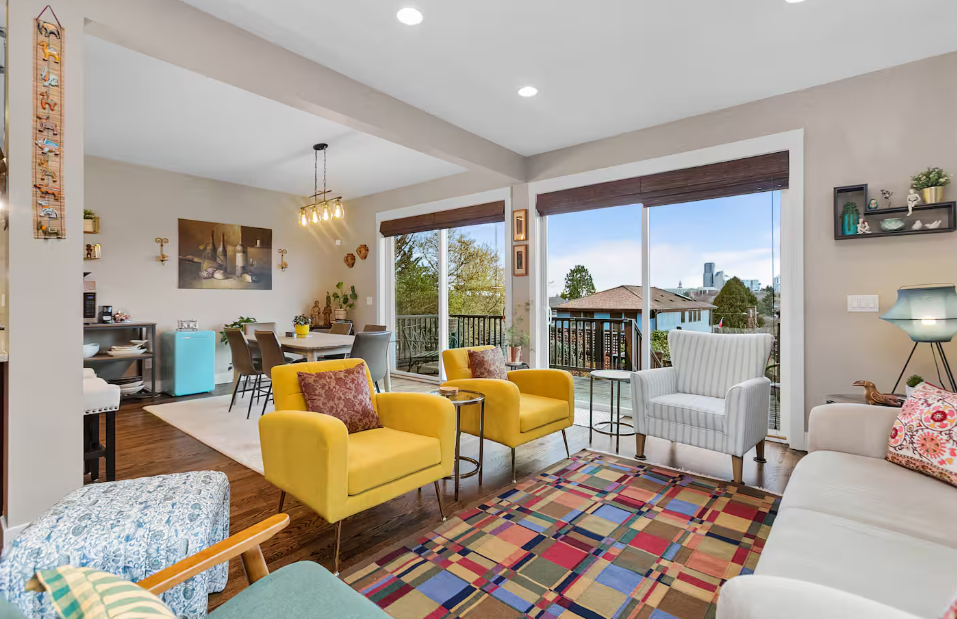
Large tournaments compress hotel supply and raise nightly rates, especially near the venue. Corporate housing offers a different approach for crews, vendors, agency teams, and broadcast staff who need a stable base for a month or more. Aplus Housing provides ready-to-live rentals in Seattle with business-grade internet, proper tables for laptops and notes, and lighting that supports long work sessions. Kitchens are set up for real cooking, so teams can keep a predictable food routine. Quiet bedrooms and quality mattresses support genuine rest after late finishes. Laundry access stays simple, which helps with uniforms and crew clothing. Because these homes function like practical workspaces, your team can brief, edit, stage equipment, and hold internal check-ins without wrestling lobby noise or limited meeting rooms.
Aplus Housing Advantage: Single-Family Homes for Real Space
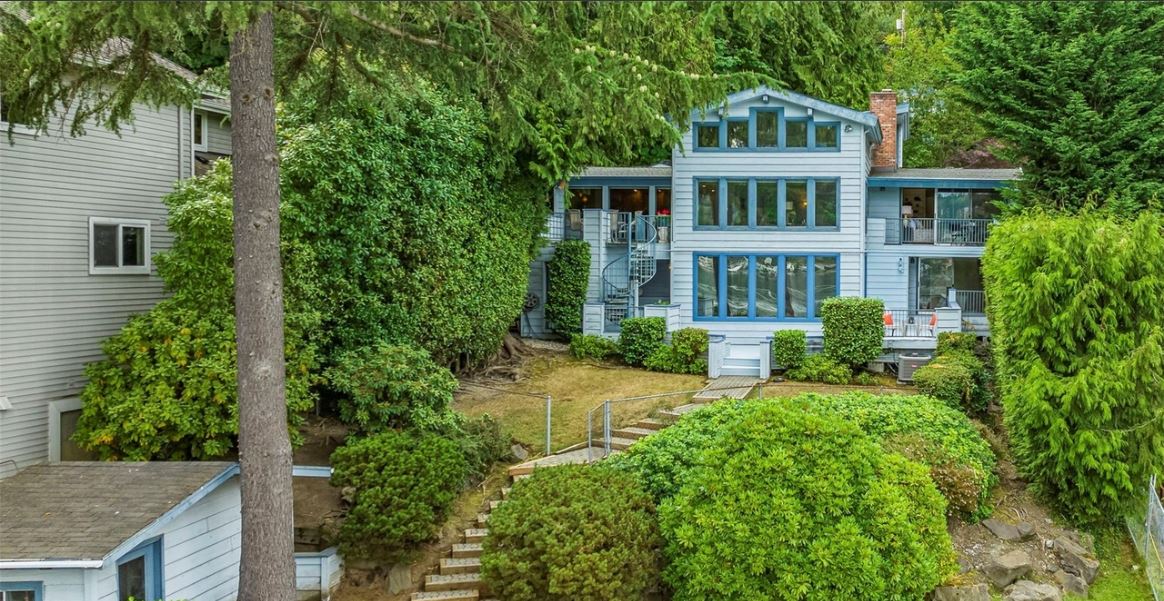
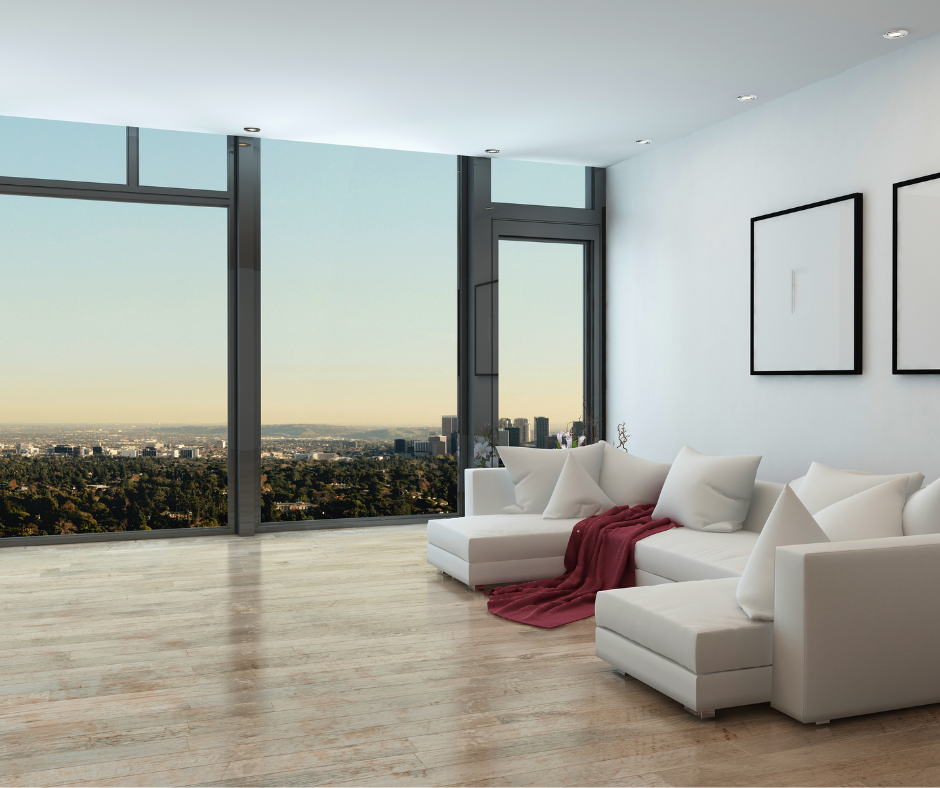
Aplus Housing stands out by offering single-family homes in addition to apartments and condos. That extra space changes everything for event operations. Crews can store pelican cases and signage without tripping over gear. Editors and producers can claim separate rooms for quiet review. Team leads can host small planning huddles in living rooms rather than booking ad-hoc spaces. Driveways or garages simplify load-in and parking for rental vans and service vehicles. Families who accompany staff during long assignments gain bedrooms that close the door on noise, while daily life continues in the rest of the home. Most providers rely on compact units; single-family options set Aplus apart and make long stretches feel sustainable. All Aplus stays meet a 30-day minimum, which aligns naturally with tournament build-up, matchdays, and wrap.
How to Reserve Your Seattle Base with Aplus
Start with two anchors: the matchdays that bring you to Seattle and the window your crew actually needs on either side. Share headcount, general commute expectations to the stadium district, parking needs, and comfort priorities. Aplus Housing will propose Seattle addresses that match those inputs and outline inclusions in plain language. Once confirmed, arrival information is clear and specific, so move-in feels straightforward. During your stay, responsive local support handles extensions, overlaps, and small adjustments as schedules evolve. If your tournament plan includes time on the Eastside, Aplus also places guests in Bellevue, Redmond, Kirkland, and Bothell. Lock in a Seattle address for the core of your World Cup work, then add dates as the bracket and broadcast grids firm up. That way, football stays center stage while logistics stay calm in the background.
Learn more at aplusnw.com.