
Corporate Housing vs Hotels: Which Is Better for Extended Stays?

Hotels or Furnished Housing For Corporate Stays
When Hotels Still Make Sense

Where Corporate Housing Pulls Ahead on Longer Stays
Corporate Housing vs Hotels in Everyday Life
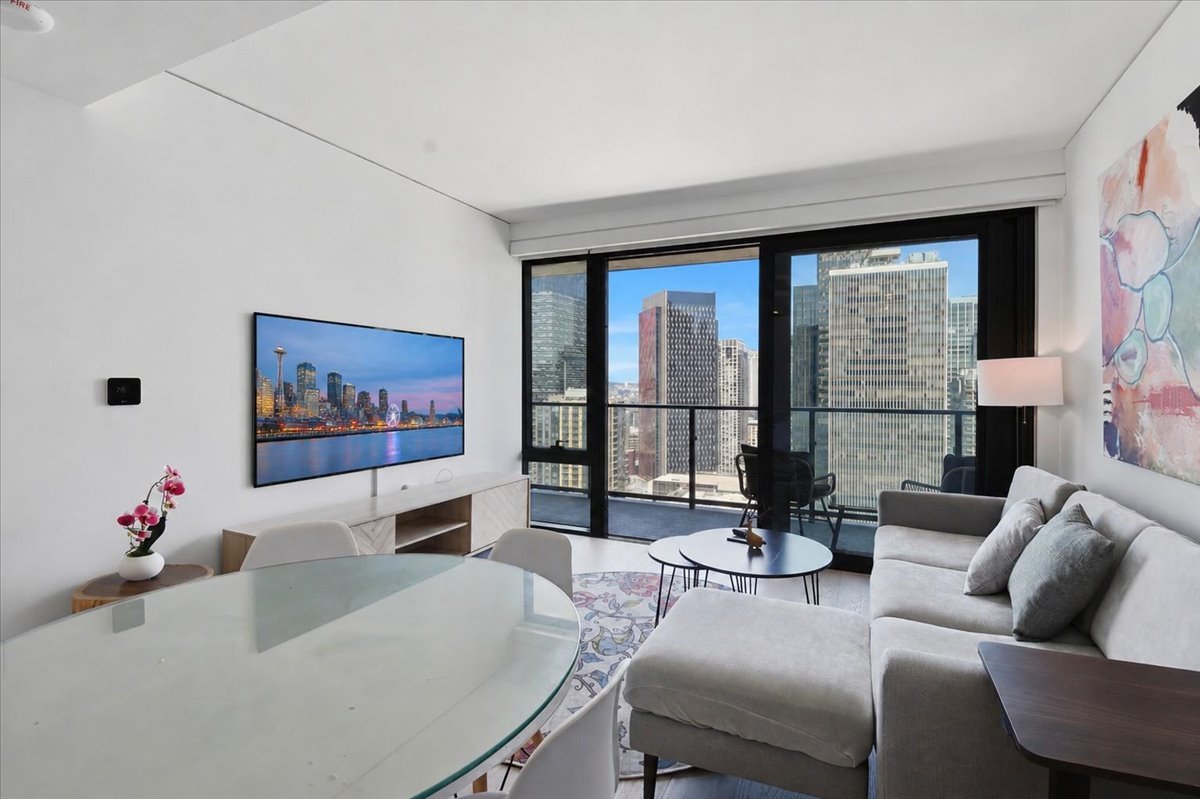
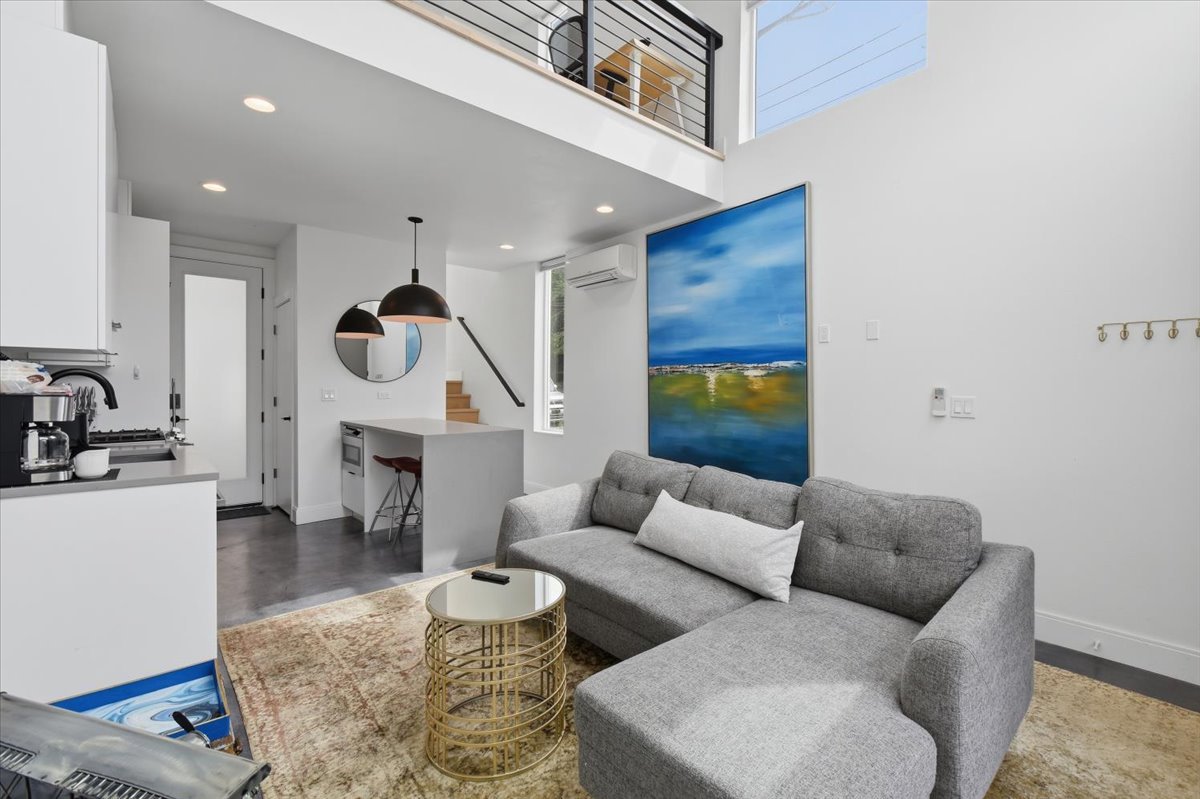
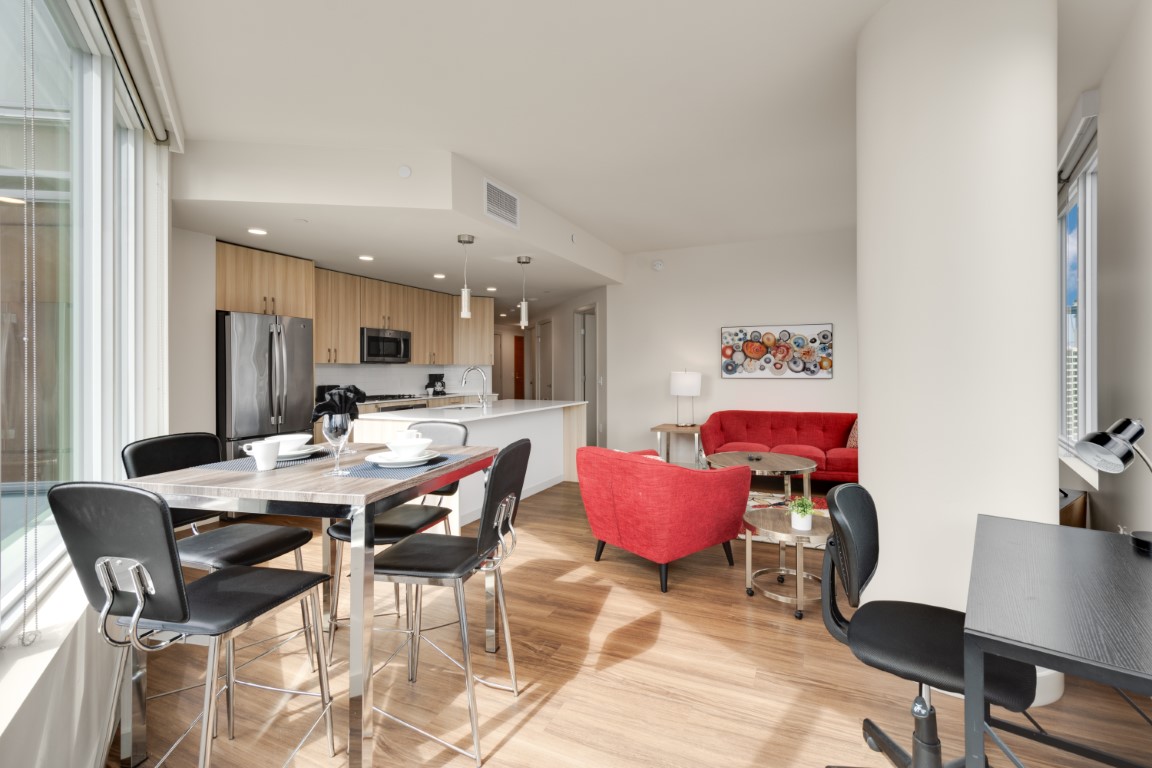
- Space: Hotels are built around sleeping and short-term convenience. Corporate housing gives you room to live, not just a place to keep your luggage.
- Meals: A kitchen changes the entire stay. Instead of relying on restaurant food or reheating takeout every night, you can shop once and keep your routine more normal.
- Laundry: During extended stays, laundry quickly becomes a major detail. In-unit or in-home laundry is more practical.
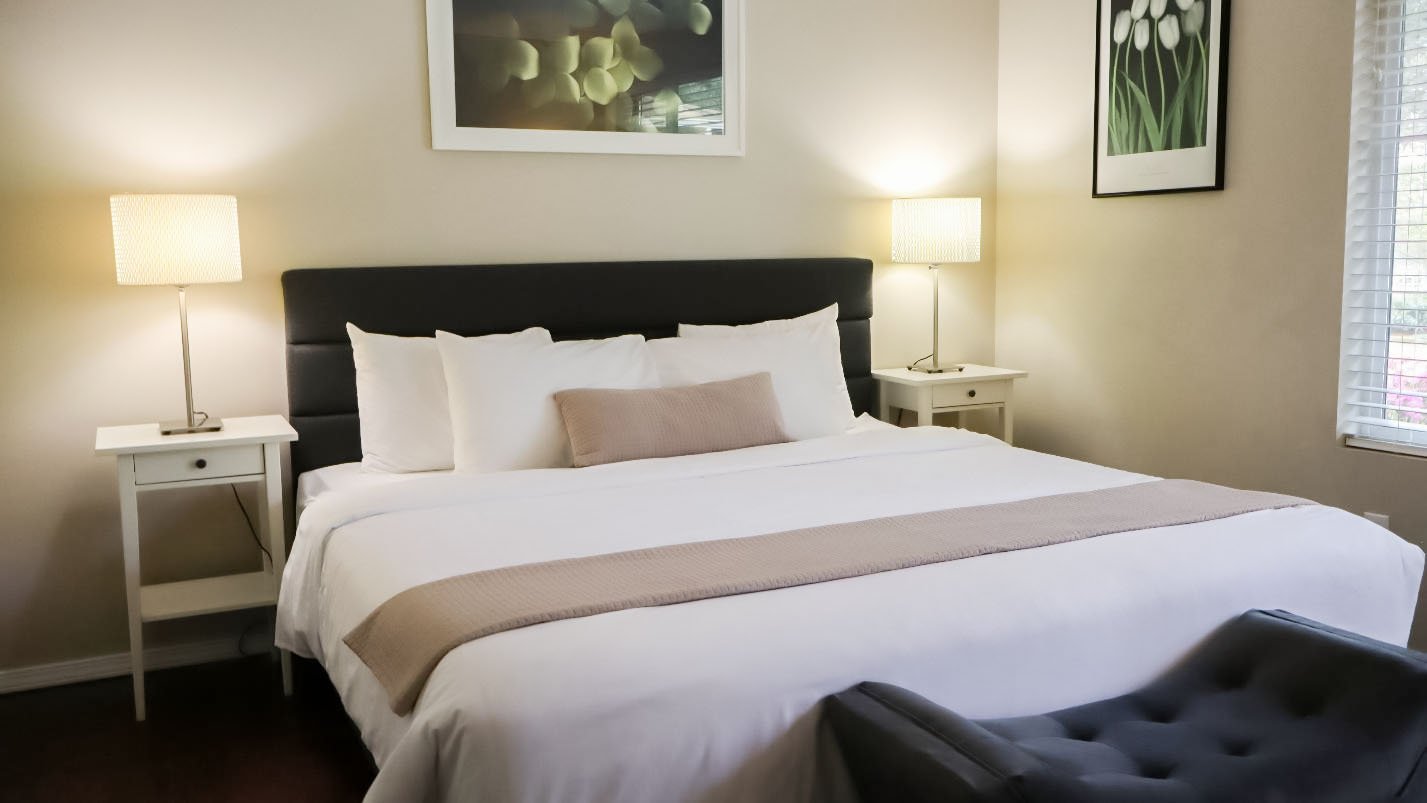
- Comfort: A separate living environment helps people unwind, focus, and feel less boxed in over time.
- Routine: The longer the stay, the more valuable it becomes to live in a setup that supports regular habits.
The Value Question: What Are You Really Paying For?
People often frame the choice as a simple nightly-rate comparison, but that misses the bigger picture. On extended stays, value is about what the housing allows you to do and how much friction it removes from daily life.
Why Seattle-Area Business Travelers Often Choose Aplus
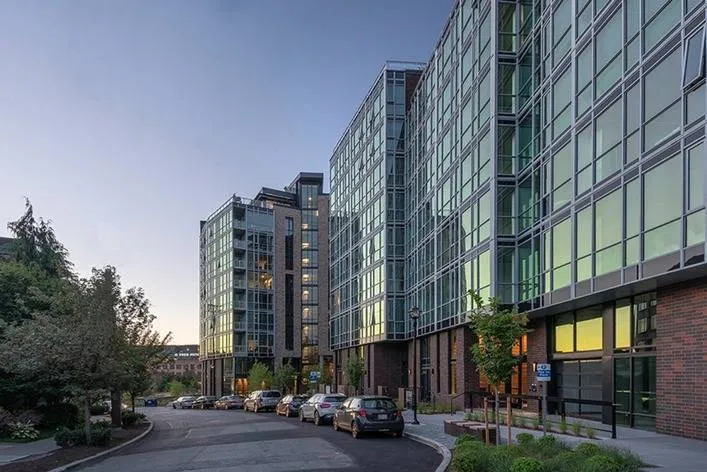
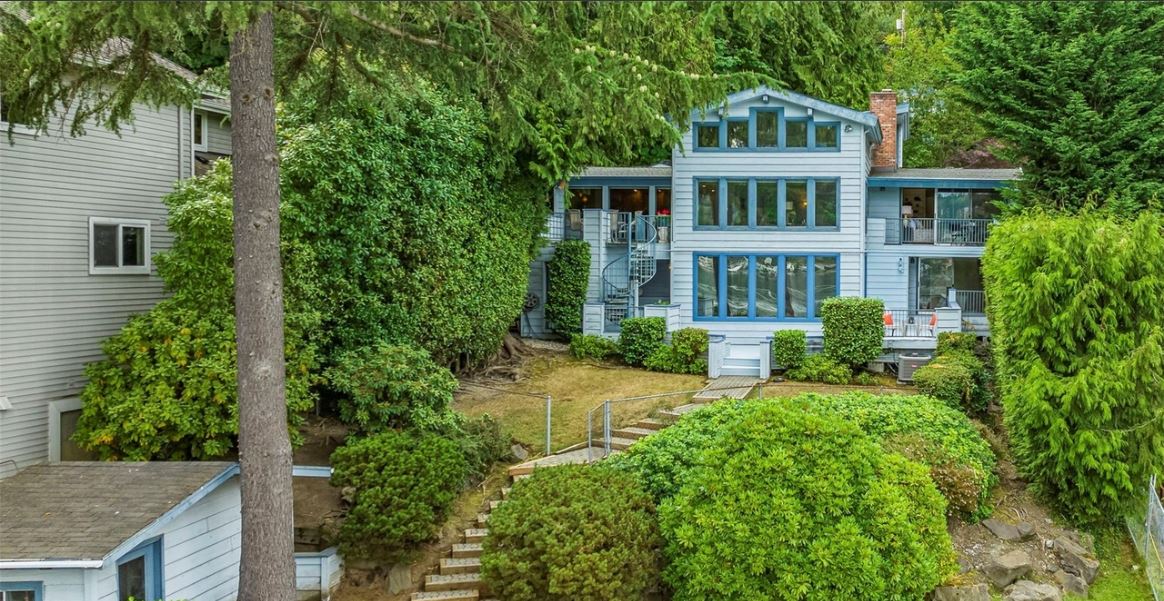
In the Seattle region, extended stays often involve commuting, project work, relocation, or seasonal transitions that don’t fit neatly into a hotel model. Guests need housing that works for a full month or more, not just for a few nights. That’s why furnished corporate housing is such a strong fit.
Choose the Option Built for the Length of Your Stay
When people ask about corporate housing vs hotels, the best answer depends on the length and purpose of the stay. For a short visit, a hotel can work well. For an extended stay, corporate housing is usually the better option because it supports daily life rather than limiting it.