
How Co-Hosting Helps Increase Occupancy
Why Occupancy Problems Usually Start Before a Vacancy
How co-hosting increases occupancy becomes easier to understand when you look at what causes empty nights in the first place. Most owners don’t lose occupancy because the property is hopeless. They lose occupancy because the operation feels inconsistent to potential guests. A slow reply, a weak listing, a confusing booking process, or an uneven turnover can all make a good home feel riskier than the next option. That’s especially important in Seattle, where furnished rentals compete on ease as much as appearance. Guests want confidence before they book. If the stay looks difficult to navigate, they move on. Occupancy often starts improving not when the property changes completely, but when the guest experience becomes easier to trust from the first click.
What Guests Notice First When They’re Comparing Options
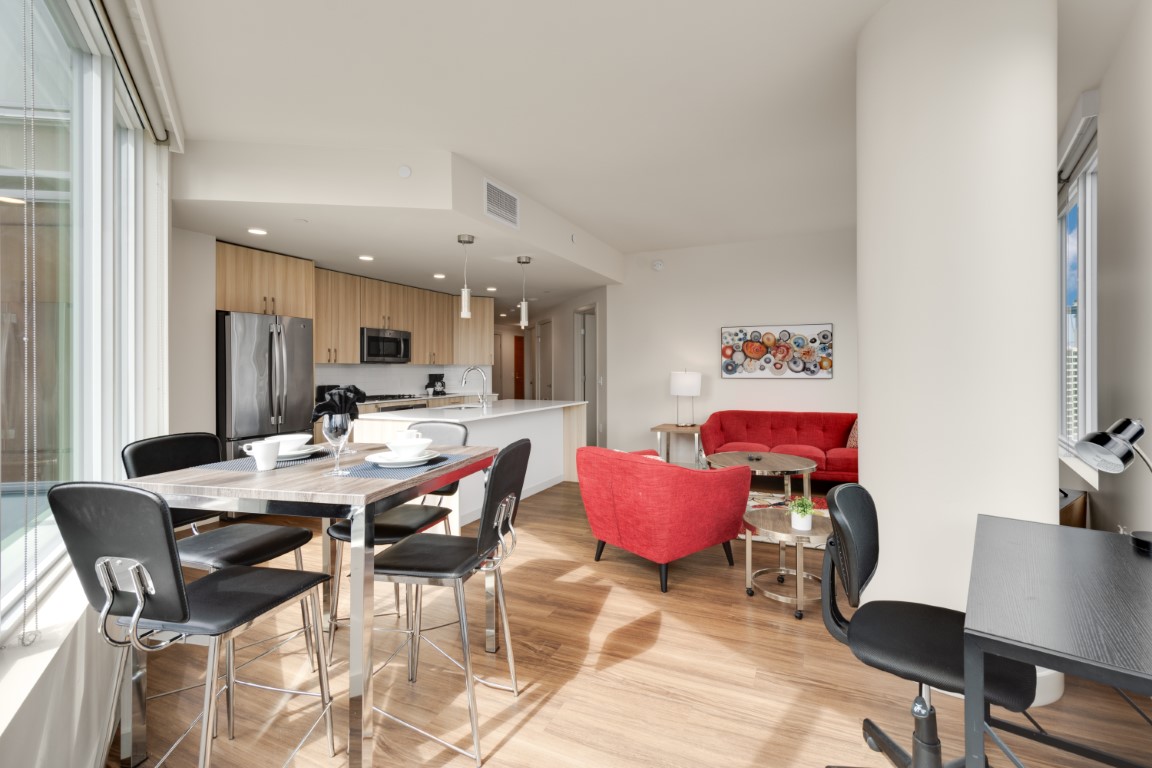
Guests usually notice speed, clarity, and professionalism before they notice small design details. They want a listing that explains the stay well, communication that answers questions quickly, and a property that feels ready for real life rather than patched together for occasional bookings. When those pieces are strong, the home feels like a safer choice. That’s one reason co-hosting for furnished rentals matters so much for owner strategy. Better systems make the stay more bookable. A clearer listing strategy helps the right guests find the property. Better communication reduces hesitation. Stronger screening improves fit. Together, those steps can help convert interest into actual bookings more consistently.

How Faster Communication Protects Booking Momentum
A promising inquiry can cool off fast if the guest has to wait too long for answers. The same thing happens when arrival details feel vague or when follow-up is inconsistent. Occupancy isn’t only about visibility. It’s also about what happens after someone clicks, asks a question, or starts comparing options side by side. Aplus Housing supports owners with professional guest screening and communication, which helps remove one of the most common bottlenecks in the booking process. When guests feel informed and supported early, they’re more likely to keep moving forward. That smoother experience helps protect booking momentum instead of letting it stall out over details that should’ve been handled quickly.
Why Mid-Term Readiness Changes the Calendar
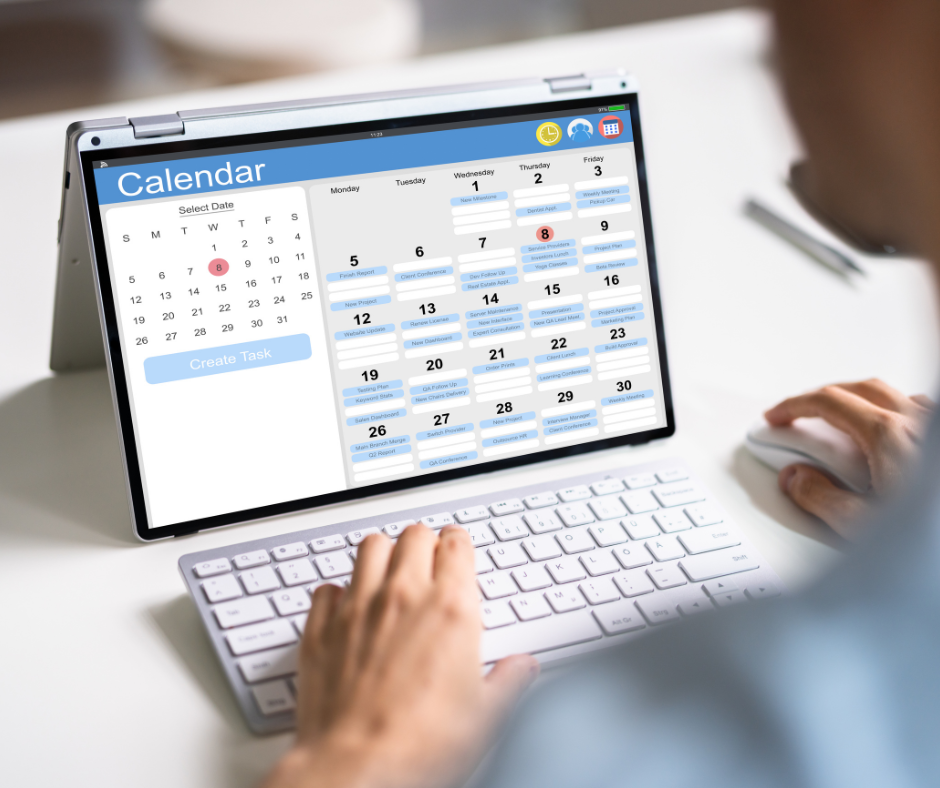
Occupancy often improves when a property is positioned for the kind of stays that actually fit the market. Aplus specifically supports short- and mid-term rental operators, including extended-stay bookings that can reduce the churn of constant turnover. For many owners, that’s a major advantage because a calendar with fewer gaps and fewer rushed resets is easier to keep full. Mid-term readiness also affects how the property performs between bookings. If cleanings, maintenance, and documentation are well coordinated, the home spends less time in avoidable downtime. That operational discipline matters because vacant days often come from process breakdowns as much as from weak demand.

What Aplus Handles for Seattle-Area Owners
Our co-hosting support helps operators scale without having to do everything themselves. We assist with strategic listing and marketing, guest screening and communication, cleaning and maintenance schedules, leases, payments, documentation, and ongoing care for the property and its guests. In other words, the work that directly affects occupancy doesn’t rest solely on the owner’s shoulders. Because we’re local to the Seattle area, our support reflects the market each furnished rental has to compete in. Stronger occupancy isn’t built through generic advice. It comes from hands-on follow-through, thoughtful pricing, reliable operations, and a guest experience that stays consistent from one booking to the next.