
How Revenue Optimization for Furnished Rentals Helps Owners

Revenue Is a System, Not a Single Rate
Revenue optimization for furnished rentals isn’t just about raising the price. It’s about making better decisions across pricing, positioning, length of stay, guest fit, and operations so the property can perform consistently. Seattle-area owners often feel stuck between a fixed lease that limits flexibility and nightly hosting that creates constant messages, turnovers, and calendar pressure. A better plan starts with the property, the local demand, and the kind of guest the home can serve well. Aplus Housing focuses on short- and mid-term rental support, with a particular emphasis on furnished stays of 30 days or more. That approach gives owners a practical path toward stronger performance without turning the home into a second job.
What Revenue Optimization for Furnished Rentals Actually Covers
A strong revenue plan connects several decisions instead of treating pricing as a once-a-month task. For example, an owner should review:
- How the listing presents the home and its best use cases
- Which stay lengths match current demand
- Whether the calendar has avoidable gaps between bookings
- How pricing changes with season, timing, and local needs
- Whether guest communication and screening support confident bookings
- How cleaning, maintenance, leases, payments, and documentation affect the stay
That work requires both market awareness and reliable execution. A home can have attractive furnishings yet still underperform if the listing is unclear, inquiries wait too long for a response, or the calendar isn’t actively managed. In contrast, a coordinated operating system helps the owner make decisions before small gaps become expensive ones.
Why 30+ Day Demand Changes the Owner Equation
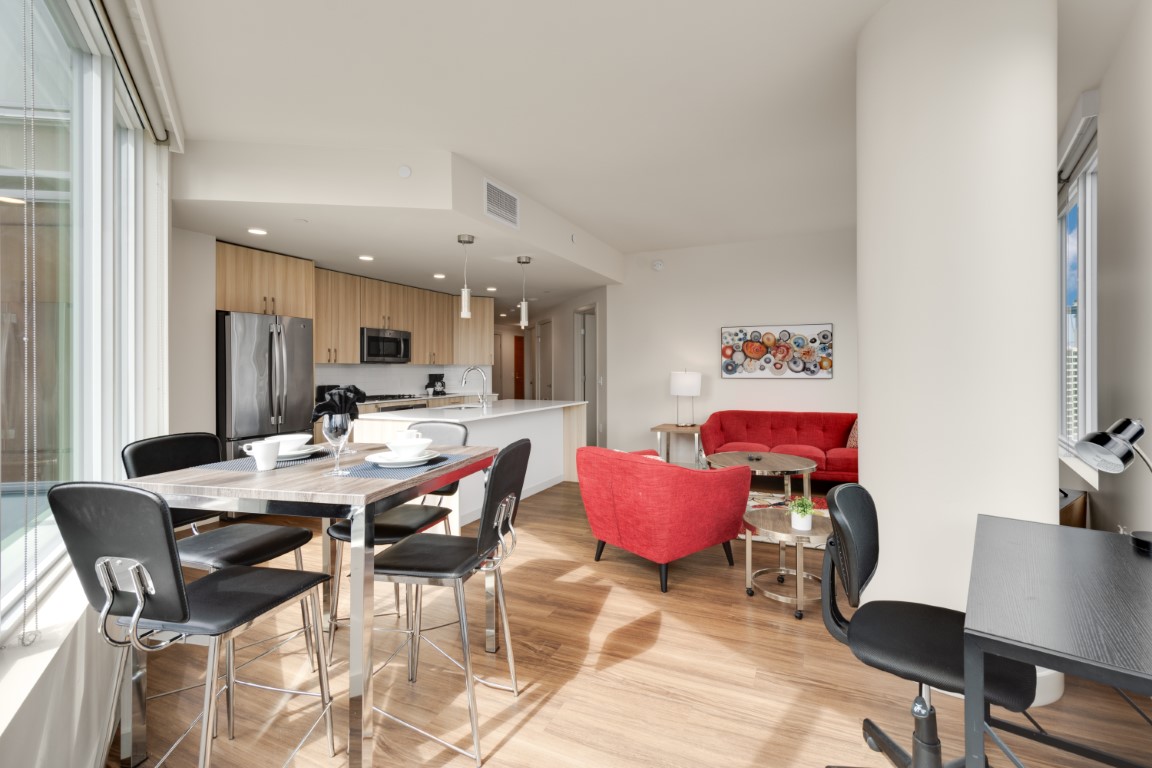
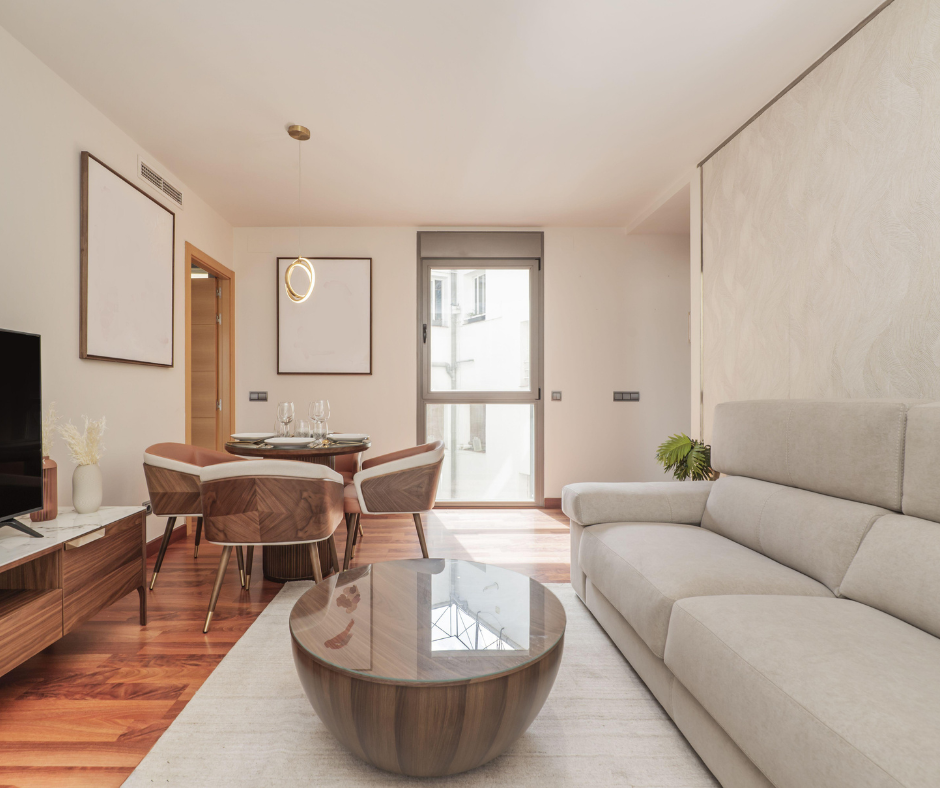
Mid-term furnished housing serves a different rhythm than a weekend rental. Corporate professionals, relocating employees, medical staff, and interns often need a stable home for weeks or months. They care about a complete kitchen, reliable internet, laundry, clear documentation, and a professional move-in experience. As a result, the property competes on livability and trust—not only on a single night’s price. Longer stays can also reduce turnovers, resets, and last-minute arrivals that an owner must absorb. Aplus manages properties available for 30 days or longer, which keeps the model centered on professional extended stays rather than nightly hosting. That focus can help protect the home, simplify the calendar, and attract guests who plan to live in the space rather than pass through it.
How Operations Protect the Revenue You’ve Earned
Pricing gets attention, but operations determine whether guests follow through, stay satisfied, and recommend the experience. Aplus supports the full chain with strategic listing and marketing support, professional guest screening and communication, cleaning and maintenance coordination, and management of leases, payments, and documentation. Those services work together. Clear positioning brings the right inquiry. Thorough screening supports a better fit. Responsive communication builds confidence. Timely turnovers protect the next arrival. Meanwhile, organized paperwork reduces confusion for both the owner and the guest. When those pieces work as one system, revenue optimization becomes more than a spreadsheet exercise. It becomes a repeatable way to protect occupancy and the property’s condition.
Revenue Optimization vs. Fixed Leases and Nightly Rentals
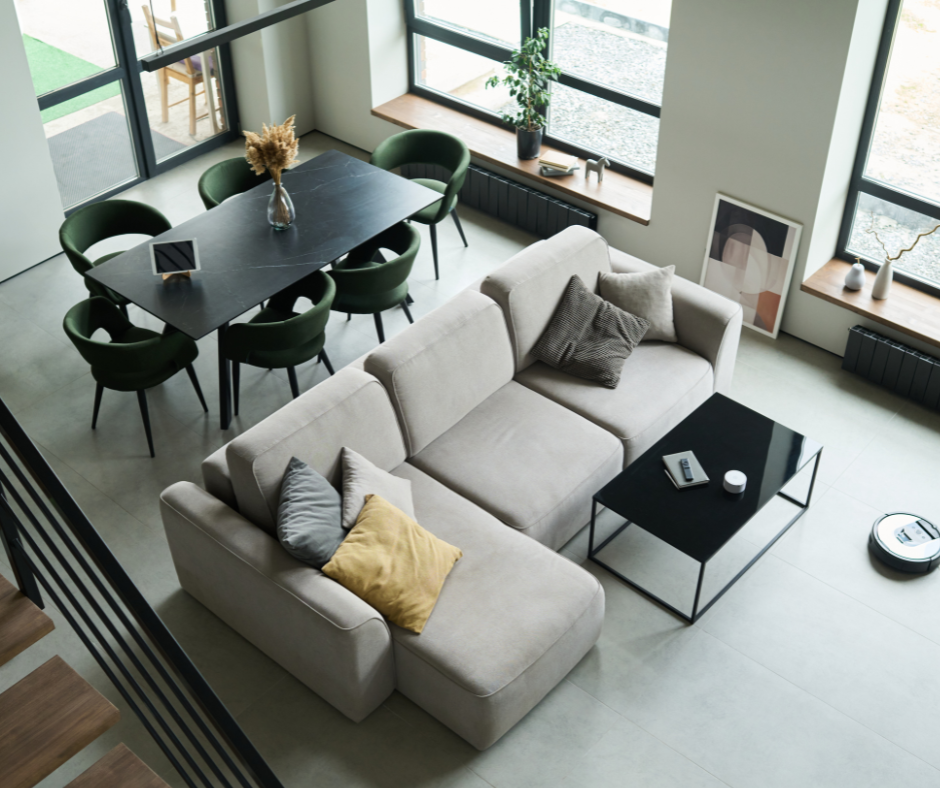
A fixed lease offers simplicity, but it can limit the owner’s ability to respond to demand or capture the value of a furnished home. Nightly rentals may offer higher peak-rate potential, but they also bring more frequent cleaning, guest turnover, messaging, and volatility. Every owner needs a different balance of return, predictability, and personal involvement. Aplus’s revenue-sharing model sits between those extremes. The company uses dynamic pricing based on real Seattle-area market demand, focuses on 30+-day furnished stays, and caters to corporate and professional guests. Because Aplus doesn’t manage short-term or nightly rentals, owners can pursue a more focused mid-term strategy rather than combining unrelated operating models. The goal isn’t to promise one number. It’s to create a steadier mix of upside, occupancy, and owner time.
Why Aplus Makes Revenue Optimization Practical
Aplus’s process begins with a property review that considers fit, location, and earning potential. Next, the team handles setup and positioning, then manages bookings, guests, and operations. Ongoing optimization keeps pricing and occupancy under review, while monthly payouts are performance-based. That alignment matters. Owners don’t have to guess whether a listing is positioned well, chase every inquiry, or coordinate every repair from a distance. Aplus works with furnished properties across Seattle, Bellevue, Kirkland, Redmond, Bothell, and nearby areas. That network includes professional and corporate guests who need stable homes for extended assignments, giving the calendar several demand channels rather than relying on a single audience.
Give Your Furnished Property a Better Operating Plan
Revenue optimization for furnished rentals works best when the owner has a clear strategy and a team that can execute it every day. If your property is furnished or furnishable, located in the greater Seattle area, and suited to professional extended-stay guests, it may be a strong fit for a professionally managed mid-term plan. You don’t have to carry the rental’s daily workload alone. Explore Aplus’s co-hosting services and revenue-sharing program then contact the team to discuss your property. The next step is a property conversation, not another night spent managing the inbox.